
Last updated November 21, 2026
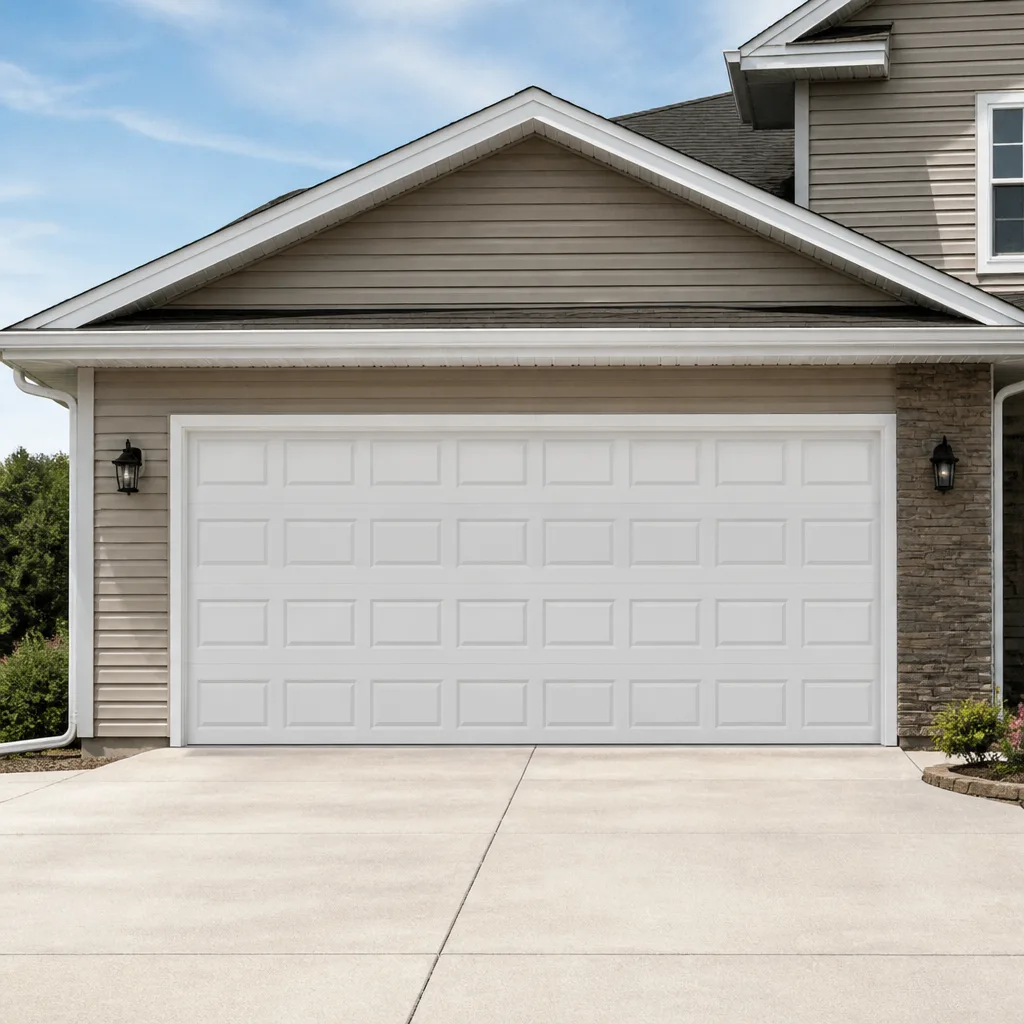 Raised-panel steel
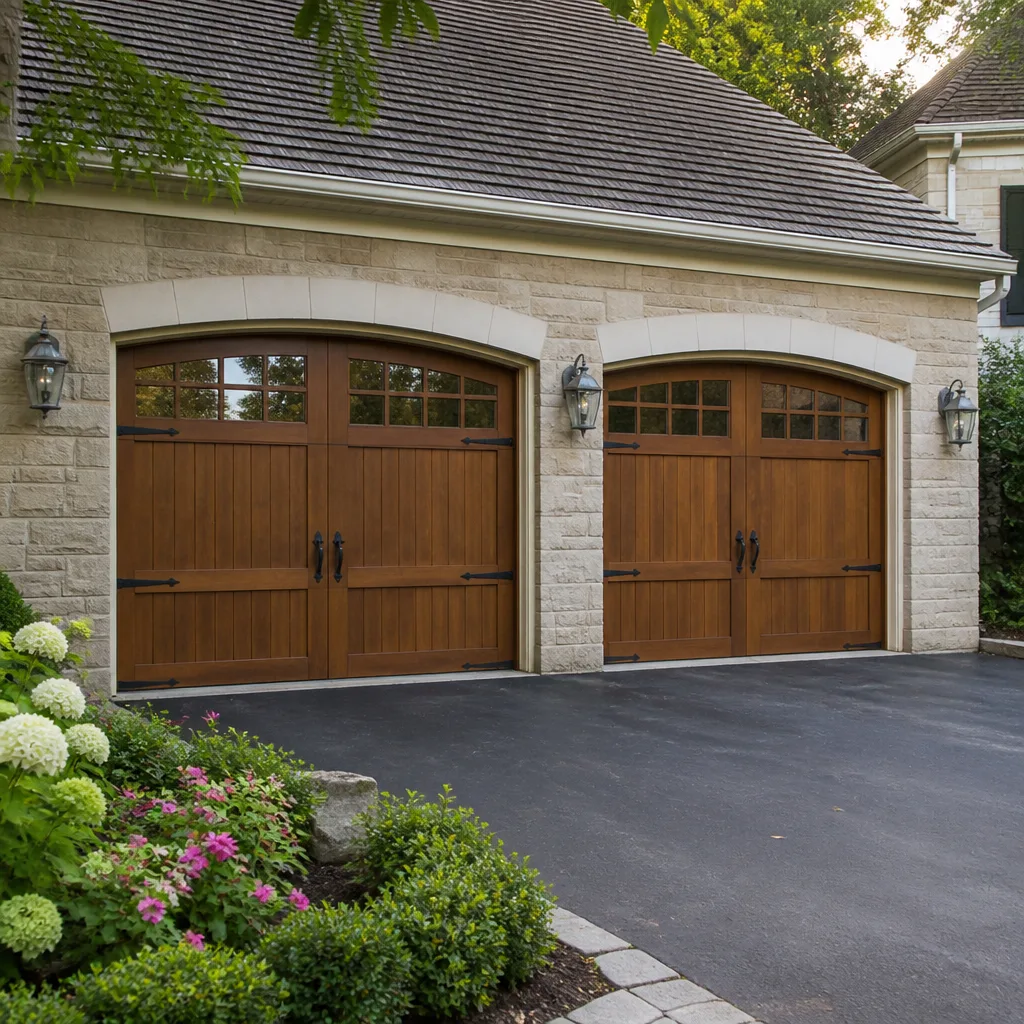 Carriage house
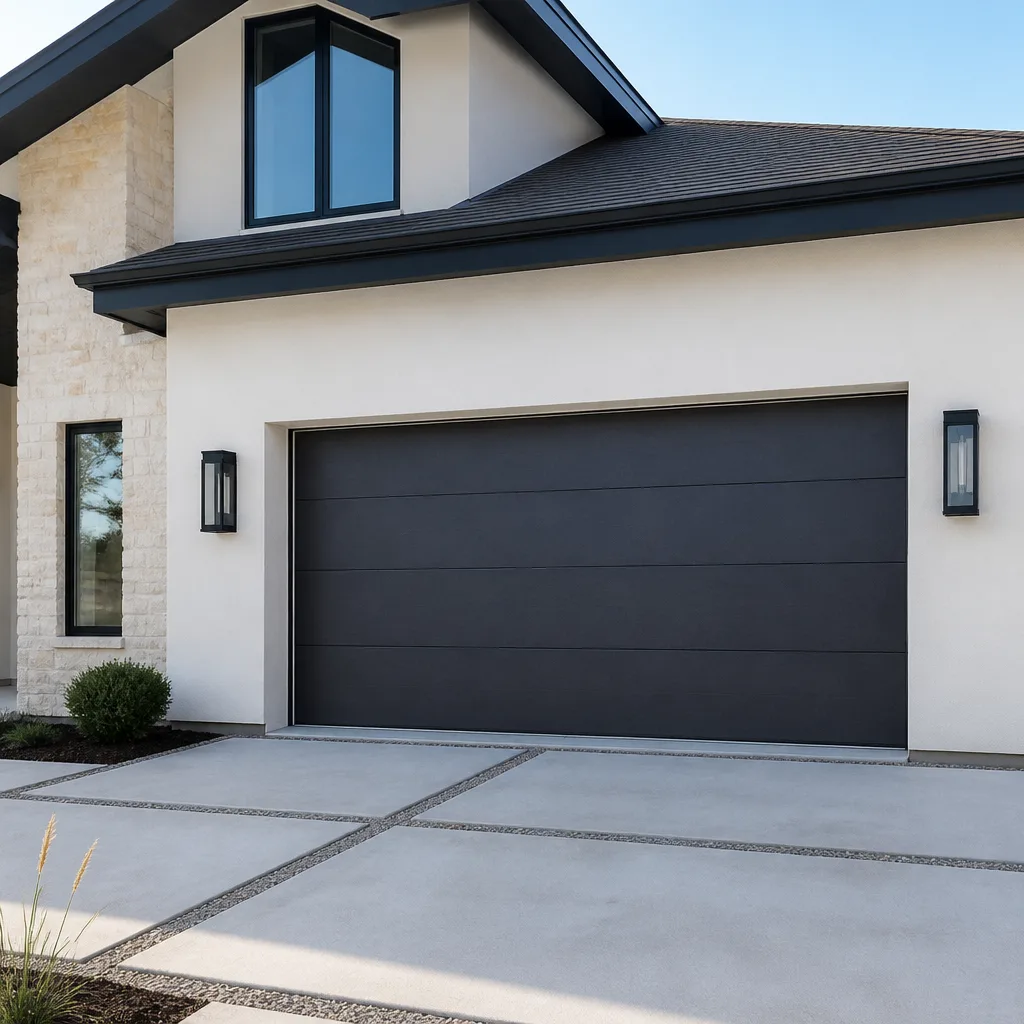 Modern flush
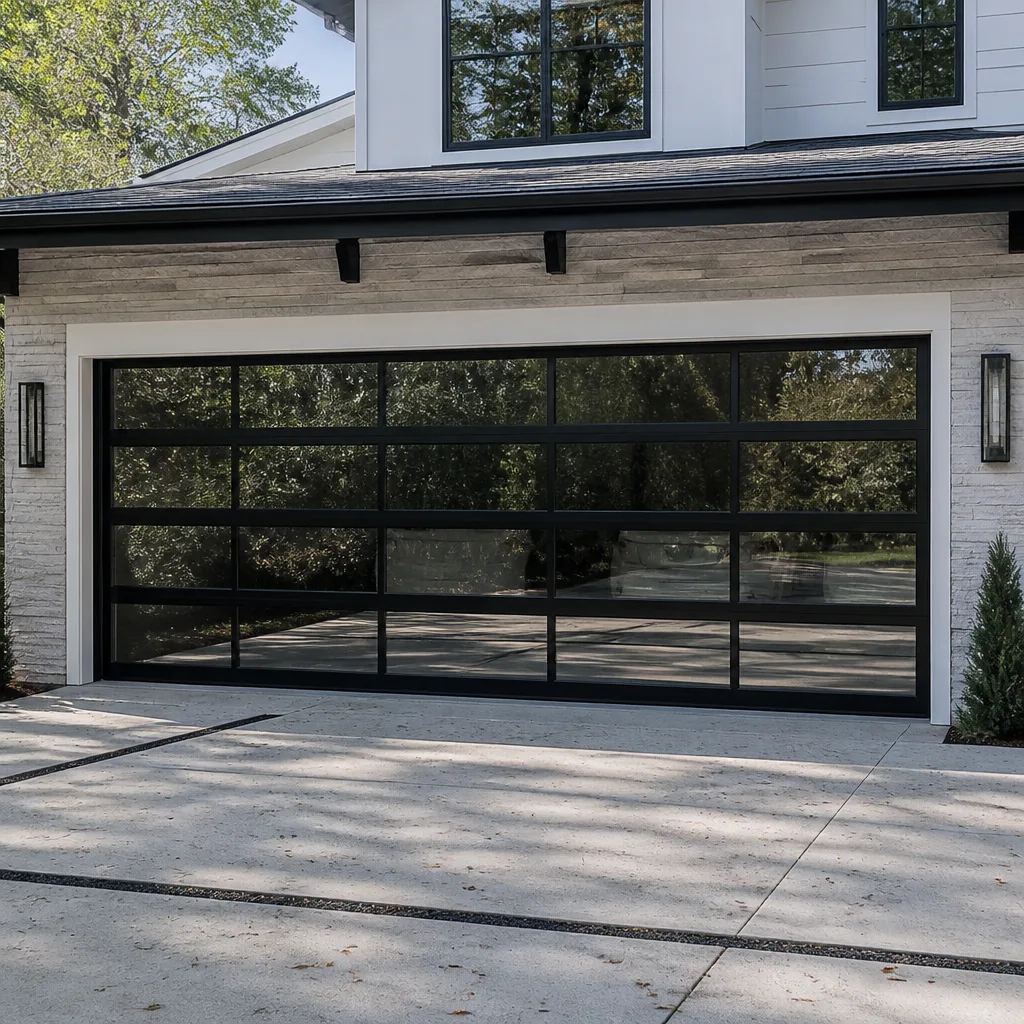 Full-view glass
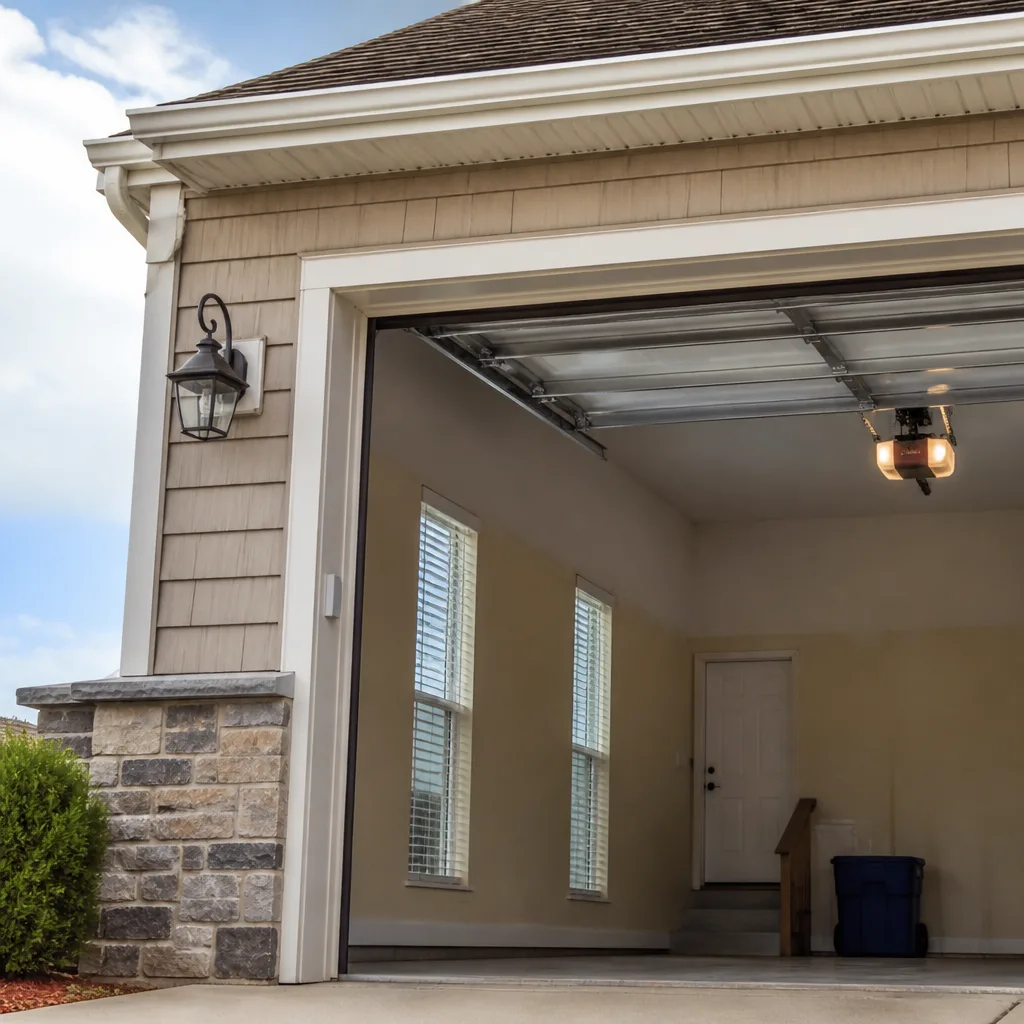 LiftMaster openers
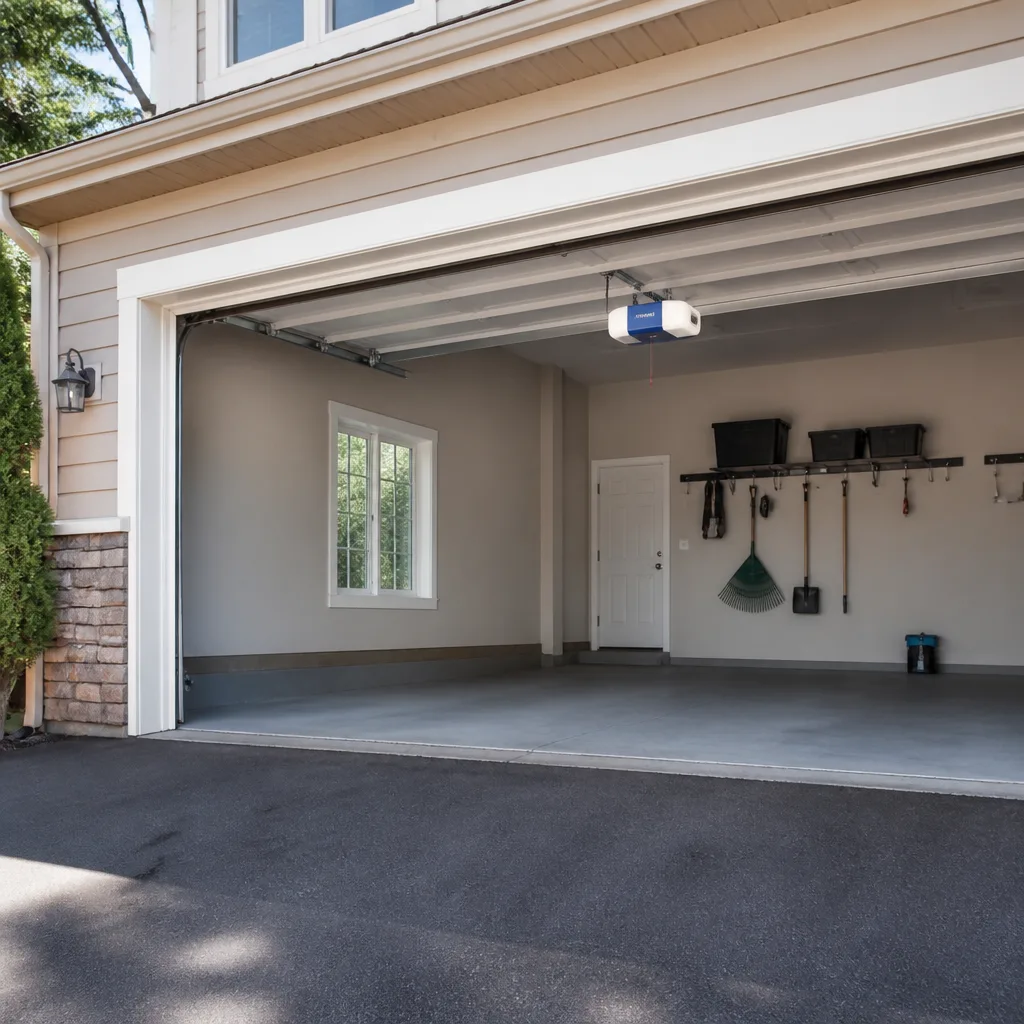 Chamberlain openers
Full 25-point door and opener safety check with every visit - springs, cables, rollers, tracks, and your LiftMaster or Chamberlain opener included
You get a price before we start. It does not change when the pro arrives.
Get your free estimateGarage Door Repair Maintenance Checklist for Port Orange Homeowners
The number-one reason garage doors in Port Orange fail early usually isn’t neglect. It’s the wrong lubricant. A homeowner sprays a thin, water-displacing product on the rollers and hinges because a video told them to, and that product washes out of the moving parts within weeks in our humid air. The metal then runs dry, grinds against itself, and starts the very rust the spray was supposed to prevent. Humidity does more quiet damage here than any single storm. What follows is a checklist built around how doors actually wear in Port Orange: which products to use and which to skip, where corrosion starts first, why you should look at your door more than twice a year, and how to track its condition so a slow problem never turns into a snapped spring at a bad moment.
Quick Answer
A garage door maintenance checklist for Port Orange should focus on humidity, not cold. Inspect monthly in summer and after any tropical storm, lubricate with a garage-door-specific grease or silicone spray (never a thin water-displacing oil), and check springs, cables, and bottom brackets for rust at the points where moisture collects. A thorough professional tune-up once a year catches what monthly looks miss.
Styles & brands we work with
- Raised-panel steel
- Carriage house
- Modern flush
- Full-view glass
- LiftMaster openers
- Chamberlain openers
Table of Contents
- The Right Lubricant for a Humid Climate (and the One to Avoid)
- Where Corrosion Starts First: A Salt-Air and Humidity Inspection
- Why Port Orange Doors Need More Frequent Inspections
- Your Monthly Walk-Around Checklist
- The Post-Storm Checklist for Florida Weather
- How to Document Your Door’s Condition Over Time
- The Annual Professional Tune-Up: What It Covers
- Brand Matters: Openers and Doors We See Most in Port Orange
The Right Lubricant for a Humid Climate (and the One to Avoid)
Most garage door lubrication advice online was written for dry climates, and it shows. In Port Orange, the air holds moisture most of the year, and that changes which products actually protect metal. The goal isn’t just to reduce friction. It’s to leave a film that stays put when the humidity climbs.
A thin, water-displacing spray is the classic mistake. These products are excellent for loosening a stuck bolt or driving moisture out of a connection, but they evaporate or run off quickly. As a long-term lubricant on rollers, hinges, and the torsion hardware, they dry out and leave the metal exposed. A door treated this way can feel smooth for a week and gritty a month later.
What works better in our climate:
- A garage-door-specific lubricant – a silicone-based spray or a light white lithium grease designed for door hardware. These leave a persistent film that resists washing out.
- Apply to the right spots – rollers, hinges, the bearing plates, and the torsion hardware. Wipe off excess so grit doesn’t collect.
- Skip the tracks – the vertical and horizontal tracks should stay clean and dry. Grease there attracts dust and dirt and gums up the rollers.
- Leave the springs to a technician – torsion springs are under extreme tension. Lubricating them is a pro task, not a homeowner one.
A simple rule: if a product is marketed mainly to “displace moisture” or “loosen stuck parts,” it’s not your monthly lubricant. Keep it for odd jobs and use a proper door lubricant for the moving parts. Done right, a lubrication pass takes ten minutes and is the single highest-value thing you can do for a Port Orange door between professional visits.
Where Corrosion Starts First: A Salt-Air and Humidity Inspection
Corrosion on a garage door doesn’t spread evenly. It starts at the spots where moisture sits and air can’t dry it out, and it starts with the parts that carry the most load. Knowing those spots turns a vague “check for rust” into a targeted inspection you can actually do.
The places to look, in order of how often we find trouble:
- Springs – the coils, especially the end coils and the area near the center bearing plate, collect condensation and hold it. Look for a chalky white film or orange flecks.
- Cables – the drums and the cable itself where it winds. Rust here is serious because a frayed or corroded cable is a failure risk, not just a cosmetic issue.
- Bottom brackets and the bottom corner of the door – the lowest point of the door sits closest to a damp floor and picks up splashed water.
- Hinges and the roller stems – these are pivot points, and pivots wear through their protective coating first.
- Track edges and fasteners – screws and bolts hold moisture against the metal and are a common starting point for rust streaks.
What to do with what you find: light surface rust on a hinge or track can be cleaned with a stiff brush and a little lubricant. But rust on a spring, cable, or bottom bracket is a signal, not a chore. Those are the load-bearing parts, and once corrosion has thinned them, cleaning doesn’t undo the loss of strength. If you see rust at any of those three, have a technician look before you keep operating the door. Corrosion on structural hardware is one of the clearest reasons to stop using the door and call for an inspection.
Why Port Orange Doors Need More Frequent Inspections
The standard advice is to check your garage door twice a year, and that advice makes sense in a climate with four distinct seasons. Port Orange doesn’t have four seasons. It has a long warm, humid stretch, a rainy season, and mild winters. That changes the maintenance math.
Heat and humidity are the two things that wear a door fastest. Heat expands and contracts metal, works fasteners loose over time, and stresses the seals. Humidity drives corrosion and breaks down lubricant. Put them together for most of the year and a door here is under continuous mild stress rather than seasonal stress.
Here’s a realistic schedule for a Port Orange home:
- Monthly in the warm, humid months – a quick five-minute visual walk-around plus a balance test. This is when corrosion and lubricant breakdown happen fastest.
- After any tropical storm or heavy weather – a dedicated inspection, covered in the next section.
- Once a year, a professional tune-up – a technician checks the parts you shouldn’t touch yourself, adjusts tension and travel, and confirms the safety systems work.
- Any time the door sounds different – a new squeak, grind, or thud is a reason to look, not to wait for the next scheduled check.
This isn’t about being fussy. It’s that the failure modes in this climate move faster than the twice-a-year guidance assumes. A door that gets looked at monthly gets a small grease problem fixed before it becomes a worn roller, and a worn roller caught early before it becomes a broken one. The time you spend is minutes. The time you save is a call you didn’t want to make.
Your Monthly Walk-Around Checklist
This is the routine you can do yourself, safely, in about five to ten minutes. It’s a look-and-listen inspection, not a repair session. If anything in the list raises a flag, note it and call rather than trying to fix it.
- Look at the whole door from inside and out. Check for rust at springs, cables, and bottom brackets. Note any new dents, cracks in the panels, or sagging.
- Test the balance. Disconnect the opener (pull the release handle), lift the door halfway by hand, and let go. A balanced door stays put. A door that drifts down or slams up has a spring or tension problem that needs a technician.
- Listen to the cycle. Run the door open and closed once. Squeaks and grinds mean dry or worn parts. A banging or popping is more serious.
- Check the rollers and hinges. Look for wobble, flat spots on rollers, and loose hinges. Tighten nothing under spring tension – just note it.
- Wipe the tracks clean. A dry cloth on the inside of the tracks. Look for debris and for tracks that are bent or misaligned.
- Test the safety reverse. Put a small object on the floor in the door’s path and close the door. It should reverse on contact. If it doesn’t, stop using the opener and call.
- Inspect the weather seal and bottom seal. A cracked or torn bottom seal lets water and pests in. This is a cheap part to replace and an easy thing to put off.
Two of these steps matter more than the rest. A door that fails the balance test or the safety reverse test shouldn’t be run on the opener until it’s checked. Those are the tests that tell you the door isn’t behaving the way a safe door behaves.
The Post-Storm Checklist for Florida Weather
Tropical weather is a fact of life here, and a garage door takes the brunt of it. Wind pressure, driven rain, and airborne debris can all leave a mark that isn’t obvious from the driveway. After a storm passes, a focused inspection catches problems before the next one.
Work through this list after any significant weather event:
- Check the door panels and frame for impact damage. Dents, bent panels, or a door that now sits crooked can mean the door took a hit or the track shifted.
- Look for water intrusion. Water inside the garage near the door, a soaked bottom seal, or standing moisture on the floor tells you the seal or the alignment is compromised.
- Inspect the tracks for bending. Wind pressure can push a lightweight door against its tracks. A bent track is a safety issue – the door can jump it.
- Re-check the balance and safety reverse. A storm can knock things out of adjustment. Confirm the door still stays put at halfway and still reverses on contact.
- Look at the springs and cables for new rust or fraying. Moisture from a storm accelerates corrosion. If a cable looks frayed or a spring looks corroded, stop using the door.
- Run the opener and listen. A new noise or a door that hesitates means something shifted. Have it looked at before you rely on it again.
The instinct after a storm is to shrug and move on if the door still opens. That’s exactly when a small problem is easiest to miss. A bent track or a stretched cable will keep working for a while, then fail. A ten-minute look costs nothing and catches the problems that storm damage tends to hide.
How to Document Your Door’s Condition Over Time
Garage door problems are gradual. A worn roller doesn’t announce itself. A rust spot spreads slowly, a cable frays strand by strand, and an opener gets louder over months. The trick to catching a problem before it becomes an emergency isn’t a better memory. It’s a simple record.
You don’t need anything fancy. A note on your phone or a page in a notebook is enough. Track a few things and you’ll start to see change that a single inspection never reveals:
- Date and what you saw. “Rust on bottom bracket, small” is enough. Next month, “rust on bottom bracket, spreading” is a much more useful observation.
- Noise notes. “Squeak on open, left side” one month and “squeak louder, left side, now on close too” the next tells a story a single listen can’t.
- Photos. Same angle, once a month. Rust and wear show up clearly when you compare pictures side by side.
- Service dates. When you last lubricated, when a pro last tuned it up. This stops you from doubling up or skipping.
The value shows up the first time you compare. A spot that looked the same to you turns out to have grown. A noise you dismissed has quietly changed. That’s when you call with a clear description instead of a vague worry, and when a technician can tell you whether it’s routine or urgent. In Port Orange, where humidity pushes wear along a little faster than in drier places, this kind of simple record is one of the best tools a homeowner has.
The Annual Professional Tune-Up: What It Covers
The monthly checklist looks at the parts you can see and safely reach. A professional tune-up handles the parts you can’t. That’s not a sales pitch – it’s the difference between spotting a problem and preventing one.
A thorough tune-up for a Port Orange door covers:
- Spring balance and tension check. A technician verifies the springs are under correct tension and the door is balanced through its full travel.
- Cable inspection. Cables are checked for fraying and corrosion, and the drums for proper winding.
- Roller and hinge service. Worn rollers are identified and lubricated, and loose hinges and fasteners are tightened to the correct torque.
- Track alignment. Tracks are checked for bends and misalignment and the door’s travel is adjusted so it runs clean.
- Opener service. The opener’s force and travel limits are set correctly, the safety reverse is tested, and smart-opener connections are checked.
- Seals and hardware. Bottom seals and the weather seal are checked, and the hardware is lubricated with a climate-appropriate product.
Done once a year, this is the visit that catches the wear your monthly checks can only flag. It’s also the point where a technician can tell you honestly whether a part has life left or is about to go. We lean toward repair over replacement whenever a part can be fixed safely. A door that’s tuned each year simply lasts longer and fails less often at inconvenient moments.
Brand Matters: Openers and Doors We See Most in Port Orange
Garage door systems aren’t interchangeable, and the maintenance advice gets more specific once you know what’s on the door. Different brands have different hardware, different opener logic, and different failure patterns. Knowing your brand helps you ask the right questions and helps a technician arrive prepared.
The opener brands we work on most around Port Orange are LiftMaster and Chamberlain – the two that dominate connected, smart-home-integrated systems. If your opener is Wi-Fi-enabled and controlled from an app, it’s likely one of those two, and the annual tune-up includes checking that the connection and the safety features are working properly. Legacy openers from Genie and Craftsman are also common on older doors and have their own maintenance quirks.
On the door side, we service Clopay, Amarr, Wayne Dalton, and Raynor, along with the openers above. Each has its own panel construction and hardware, which affects how corrosion shows up and what parts we reach for. It’s worth knowing your brand and model before you call – it’s the first thing a technician wants to know, and it helps the visit run faster.
If your opener isn’t behaving or your door needs more than a tune-up, professional garage door repair gets it back up and running without guesswork. If the opener itself is the problem, garage door opener repair covers the brands above, including the connected systems. And if a spring has already gone, garage door spring repair is a job for a technician, not a weekend project. For the full scope of what we handle across repair, springs, openers, and installation, see Port Orange Garage Door Repair Pros. If the door needs more than maintenance, garage door repair is where to start.
Common Mistakes to Avoid
- Using a thin water-displacing spray as lubricant. It feels helpful for a week, then leaves moving parts dry and exposed to humidity. Use a door-specific grease or silicone instead.
- Greasing the tracks. Grease on the tracks attracts grit and can gum up the rollers. Tracks stay clean and dry; the moving parts get the lubricant.
- Trying to adjust springs yourself. Torsion springs are under extreme tension and can cause serious injury. This is one of the most dangerous parts of the trade, and it belongs to a trained technician.
- Skipping the post-storm check. A door that still opens can have a bent track or a frayed cable. Look after every storm, not just when something feels wrong.
- Assuming twice a year is enough. The standard advice is built for a four-season climate. In Port Orange, humidity means monthly looks and a yearly professional tune-up serve a door better.
- Waiting for a noise to become a failure. A new squeak or grind is cheap to fix early and expensive to fix late. Note it and call rather than waiting for the door to stop working.
- Ignoring the safety reverse. A door that doesn’t reverse on contact is unsafe, full stop. Stop using the opener until it’s checked.
See the difference
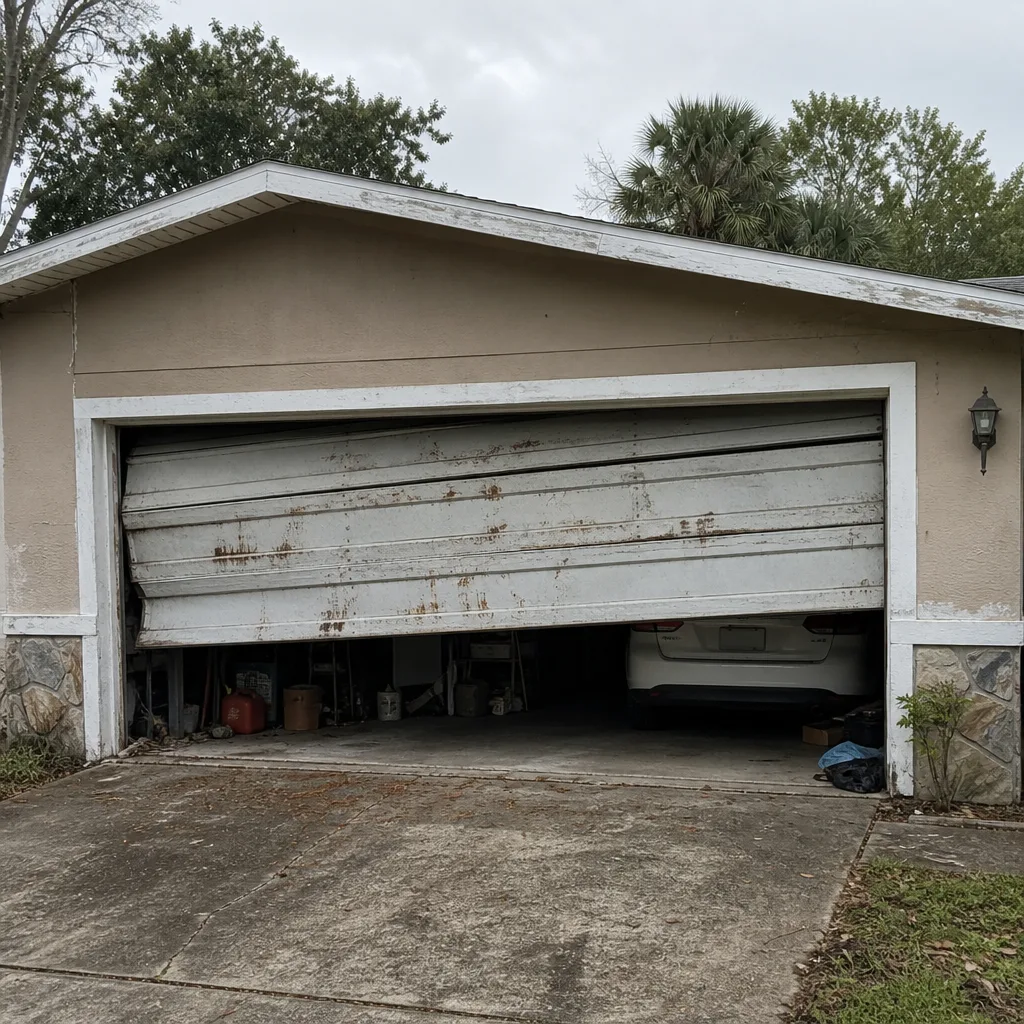 Before
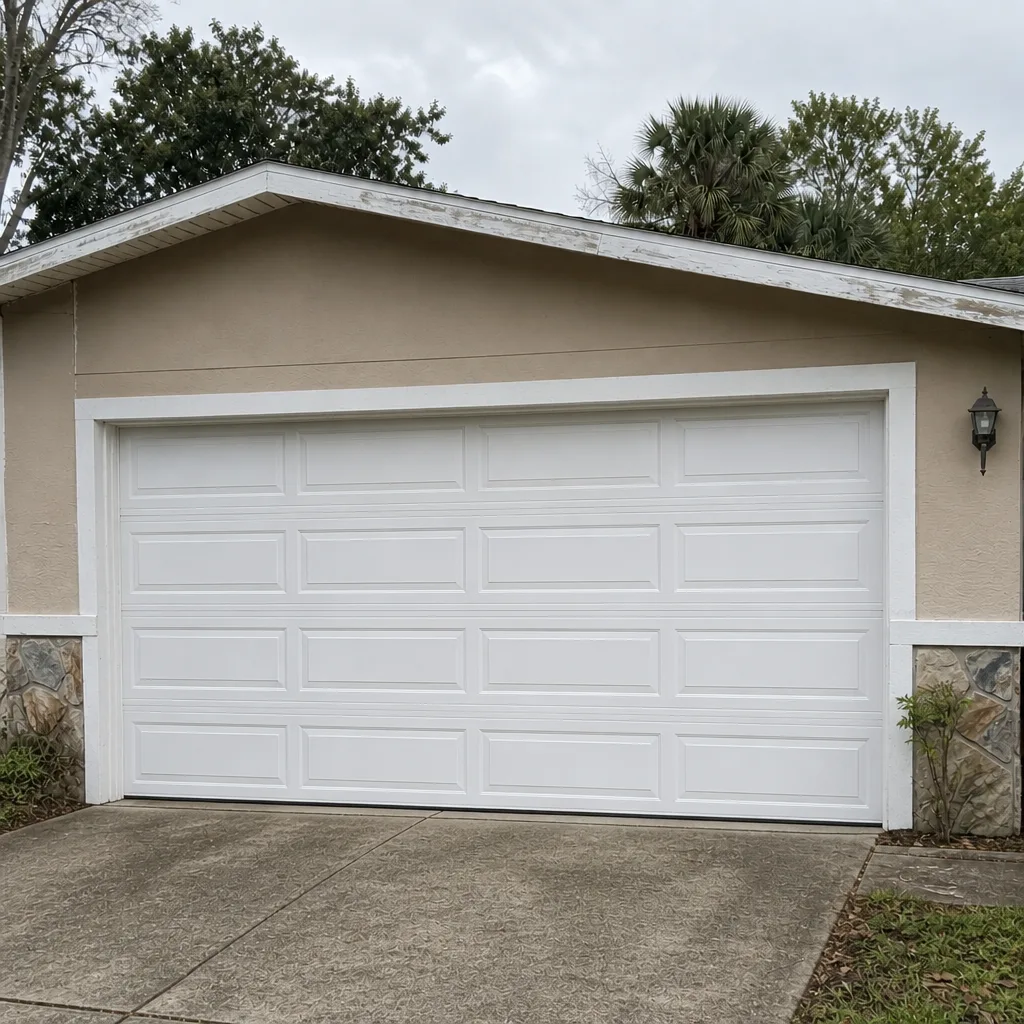 After
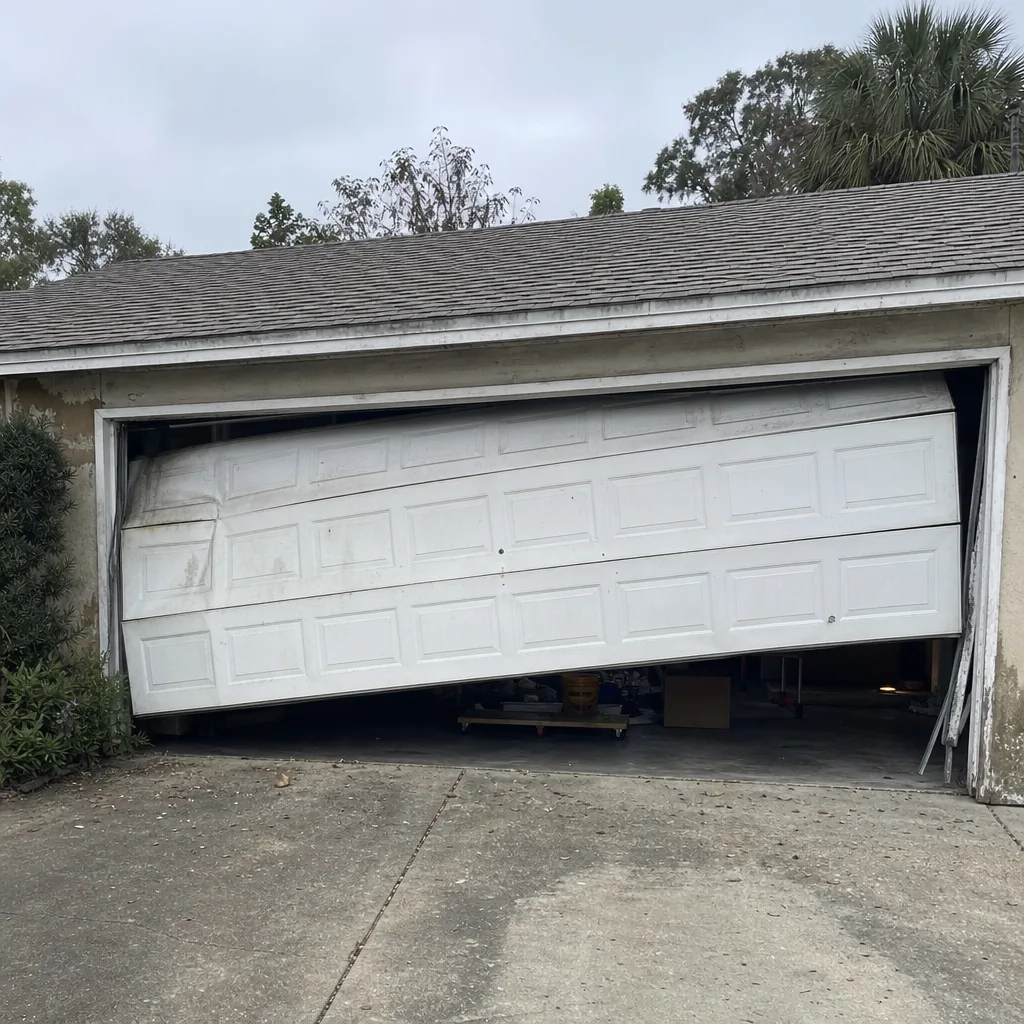 Before
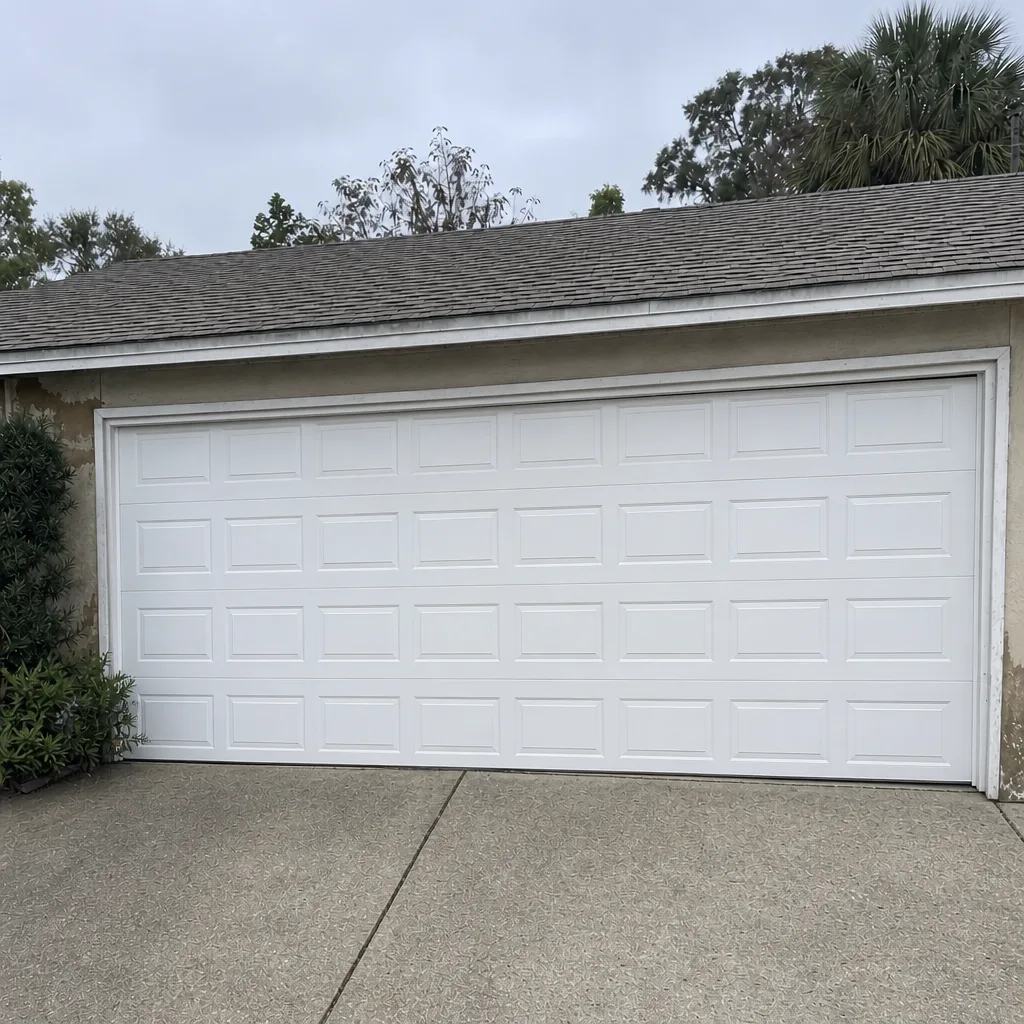 After
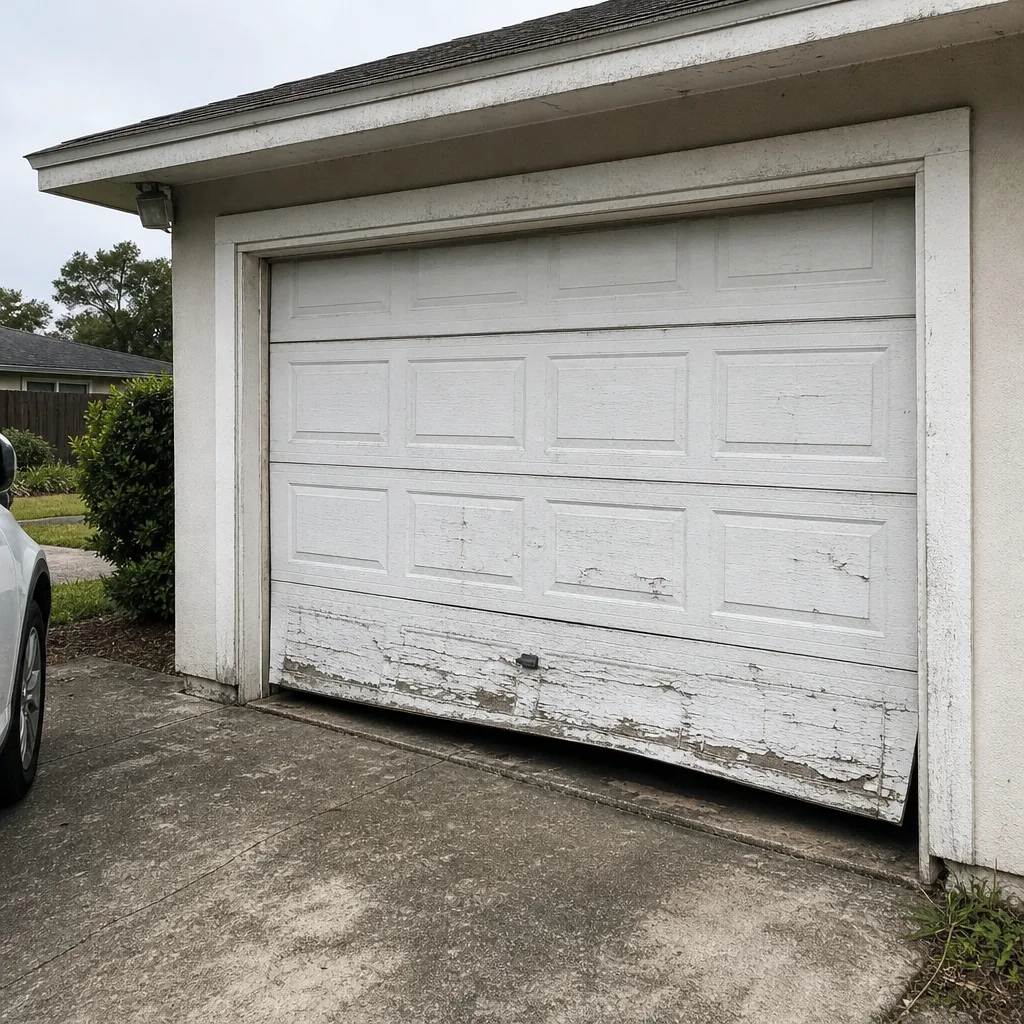 Before
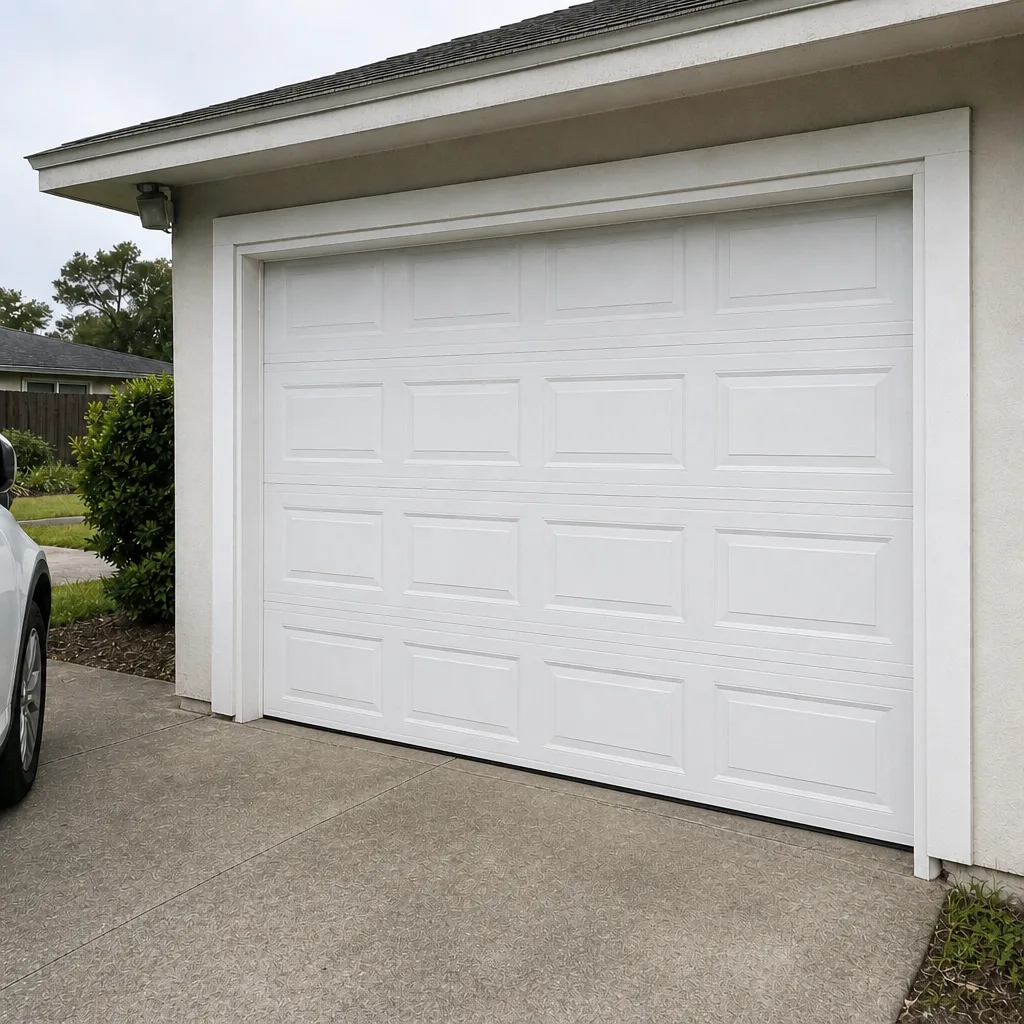 After
When to Call a Professional
Some maintenance is yours to do. Some belongs to a technician, and knowing the line keeps your door and your household safe. Call a professional if the door fails the balance test, if it won’t reverse on contact, if you see rust on a spring, cable, or bottom bracket, if a cable looks frayed, or if the door makes a banging or popping sound. Call after a storm if the tracks look bent or the door sits crooked. And call any time you’re unsure – a quick look from a technician is far better than a guess.
Port Orange Garage Door Repair Pros offers free estimates in Port Orange – call (877) 735-4535. We answer 24/7, with fast dispatch from 7am to 7pm, Sunday through Friday. The estimate is free and the price is quoted and agreed before any work starts.
Frequently Asked Questions
Every homeowner should look their door over monthly in the warm, humid months and book a professional tune-up once a year. The usual twice-a-year advice fits a four-season climate; here, humidity and heat accelerate wear, so more frequent looks catch problems sooner. Call (877) 735-4535 to book a tune-up – estimates are free.
A garage-door-specific silicone spray or light white lithium grease is the right choice in Florida humidity because it leaves a film that resists washing out. Avoid thin water-displacing sprays for the moving parts – they feel smooth briefly, then leave metal dry and rusting. A professional tune-up includes the right lubricant applied to the right spots.
Rust starts first at springs, cables, and bottom brackets, because those are the spots where moisture collects and stays. Hinges, roller stems, and fasteners are the next most likely. Rust on a spring, cable, or bottom bracket is serious – have it checked before you keep running the door.
Yes – inspect after any tropical storm or significant weather. Wind and driven rain can bend tracks, force water past the seals, and shift the alignment without the door visibly failing. Check the tracks, springs, cables, and safety reverse, and call if anything looks bent, frayed, or loose.
No. Torsion springs are under extreme tension, and adjusting them is one of the most dangerous parts of the trade. Spring work is a technician job, and our technicians have up to 9 years of experience with it. If a spring is broken, rusty, or out of balance, stop using the door and call (877) 735-4535.
A yearly tune-up plus monthly checks catch most wear before it turns into a failure, but nothing prevents every breakdown. It does mean problems get found while they’re small and cheap instead of sudden and urgent. If your door does fail, call (877) 735-4535 – same-day emergency service is available, and the price is quoted before work starts.
The Bottom Line
Maintaining a garage door in Port Orange is less about any single fix and more about the right habits in this climate. Use a door-specific lubricant, not a thin water-displacing spray. Inspect monthly in the humid stretch and after every storm, and watch springs, cables, and bottom brackets for the rust that starts there first. Keep a simple record so gradual wear shows up before it becomes an emergency, and book a professional tune-up once a year. Do those things and your door runs longer, quieter, and safer – and the big, urgent calls become the exception. Call (877) 735-4535 for a free estimate. We answer 24/7. Fast dispatch from 7am to 7pm, Sunday through Friday.
Written by the team at Port Orange Garage Door Repair Pros.