
Last updated November 21, 2026
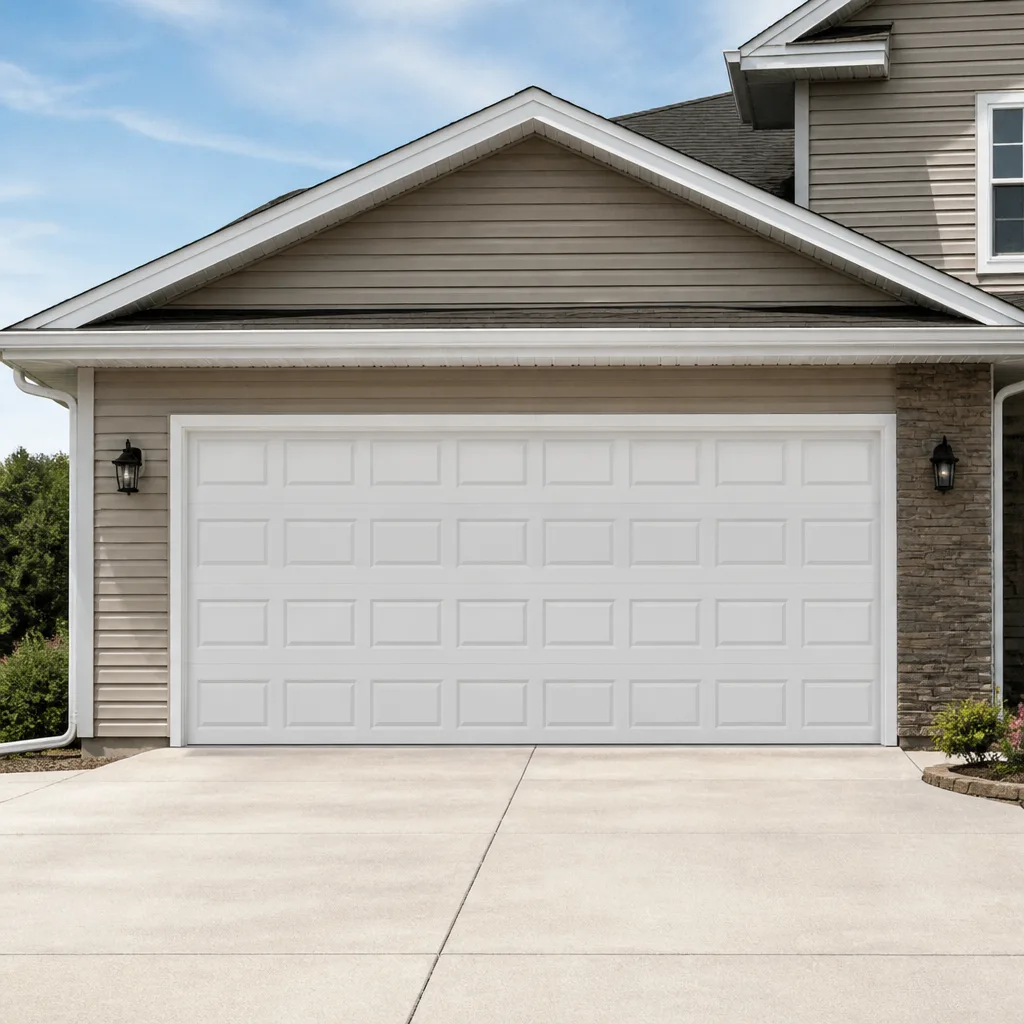 Raised-panel steel
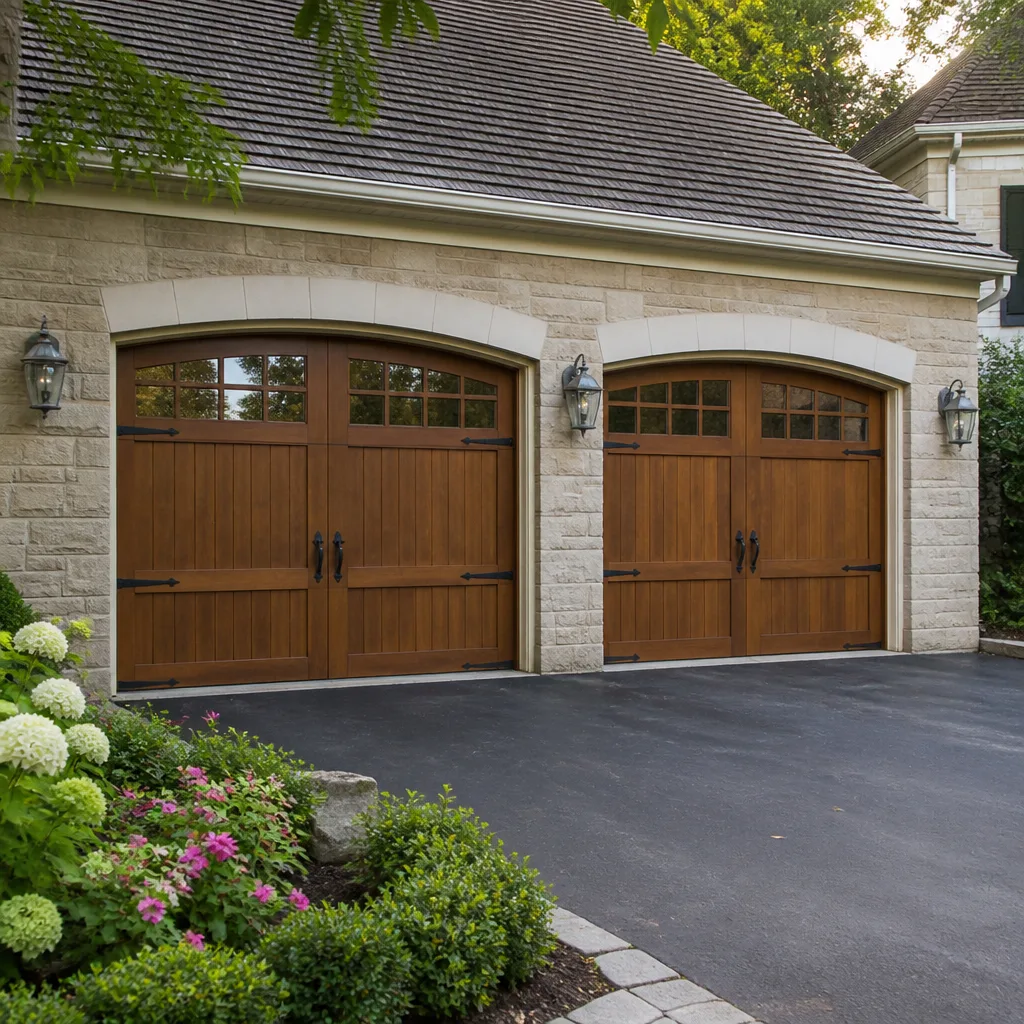 Carriage house
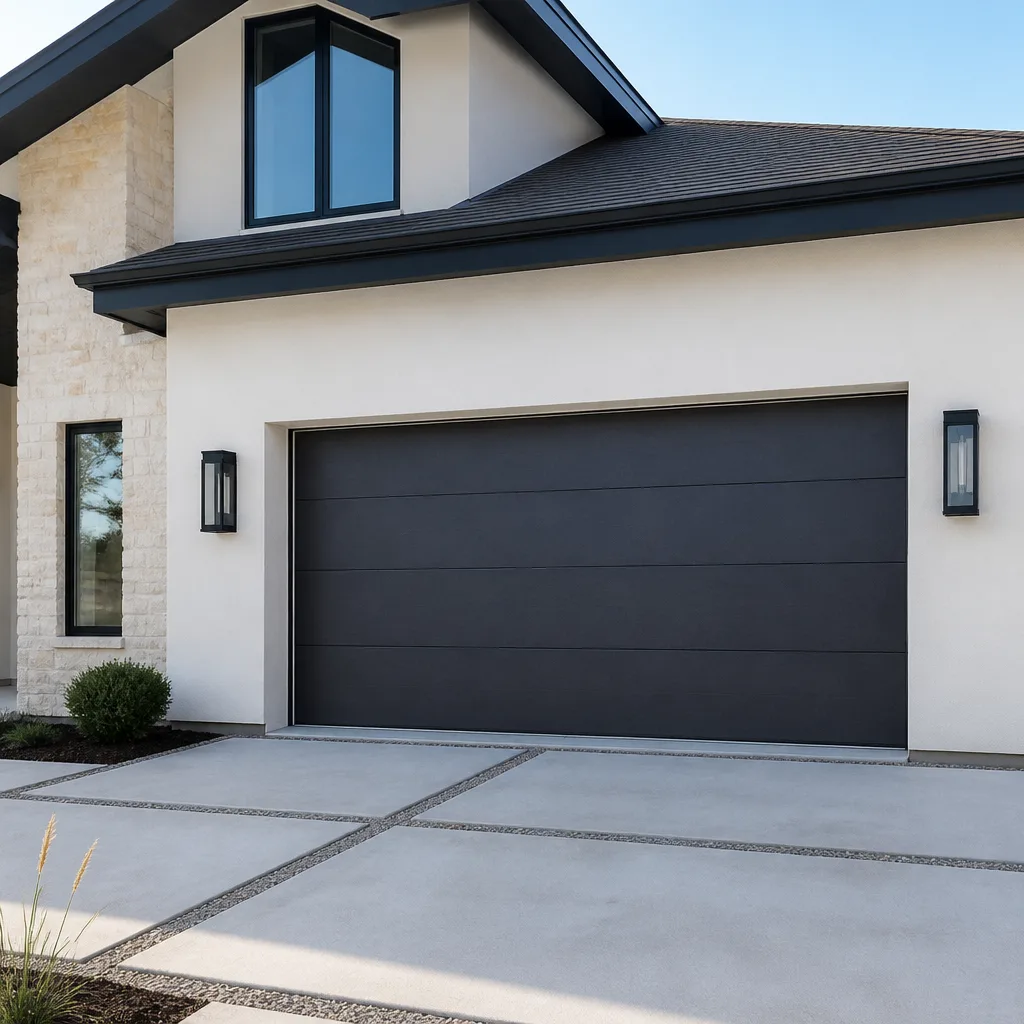 Modern flush
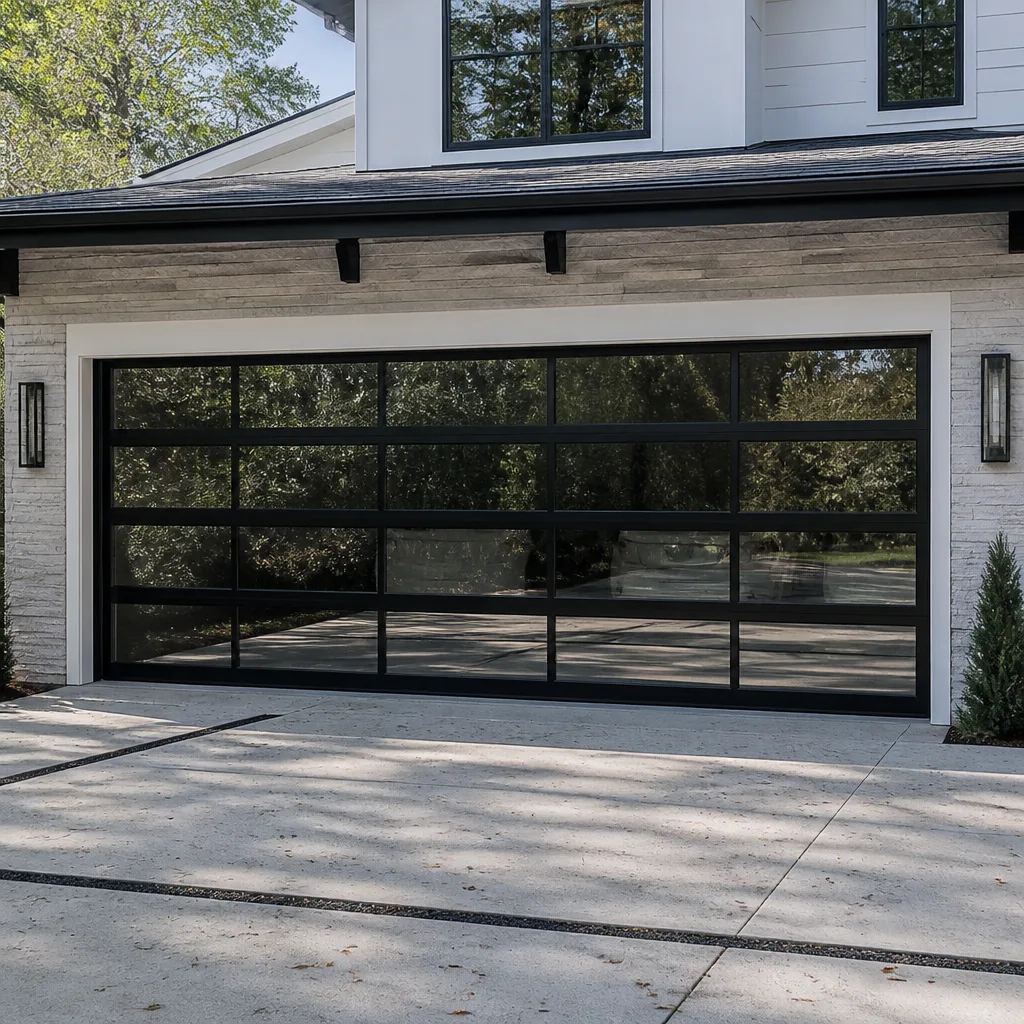 Full-view glass
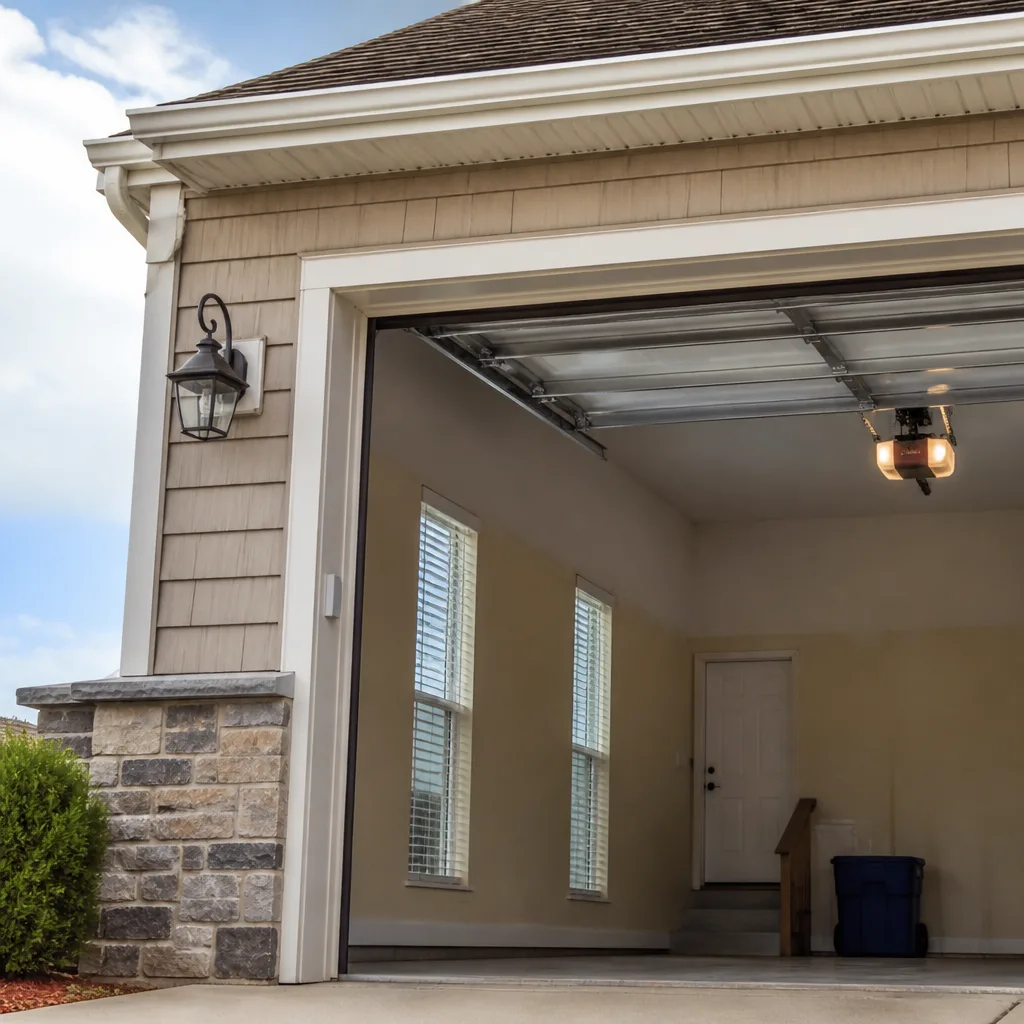 LiftMaster openers
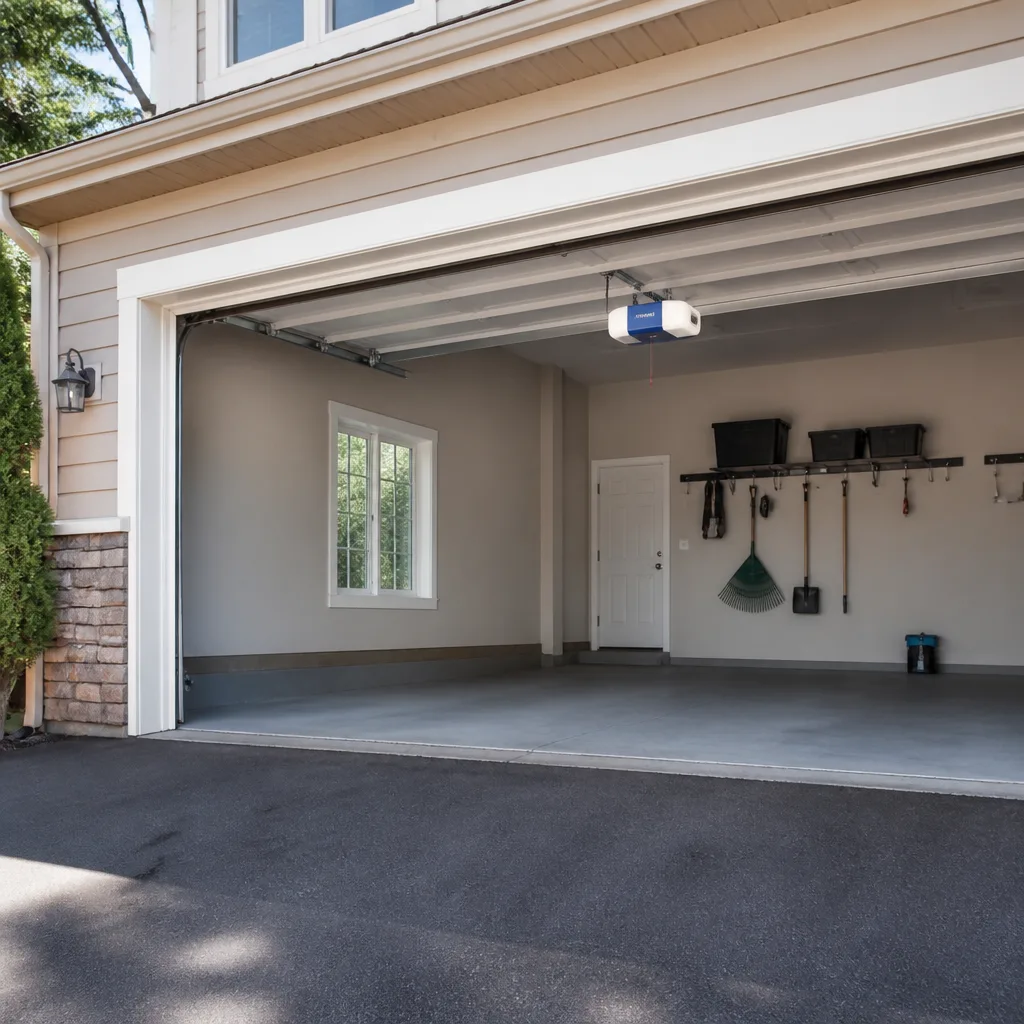 Chamberlain openers
Full 25-point door and opener safety check with every visit - springs, cables, rollers, tracks, and your LiftMaster or Chamberlain opener included
You get a price before we start. It does not change when the pro arrives.
Get your free estimateSeasonal Garage Door Care for Port Orange: Year-Round Homeowner’s Guide
Telling a Port Orange homeowner to “winterize the garage door” is almost useless advice. Our winters are mild enough that the door rarely notices them. The real seasonal threat here isn’t freezing temperatures – it’s what June through October does to your hardware. Port Orange doesn’t run on four traditional seasons. It runs on a dry season, a wet season, a hurricane window, and a short stretch of cold snaps, and each one stresses a different part of your garage door system. This guide walks through what to inspect, tighten, and test in each window, including the vacation prep that snowbird season makes necessary. You’ll finish knowing what you can handle and what genuinely needs a technician.
Quick Answer
In Port Orange, garage door care follows a four-part calendar: a pre-hurricane inspection in May, humidity and corrosion checks through June to September, a post-storm review after any tropical event, and mechanical adjustments during the dry, mild stretch from November to March. Most of this is visual inspection and light tightening you can do yourself. Springs, cables, and opener electronics should be left to a trained professional. Our technicians have up to 9 years of experience working on LiftMaster, Chamberlain, Craftsman, and Raynor systems in this climate, and the pattern is consistent: doors that get two or three simple checks a year last longer and fail less often.
Styles & brands we work with
- Raised-panel steel
- Carriage house
- Modern flush
- Full-view glass
- LiftMaster openers
- Chamberlain openers
Table of Contents
- Why Port Orange Seasons Hit the Door Differently
- Pre-Hurricane Season Checklist for May
- Wet Season Humidity Management: June Through September
- Post-Storm Inspection Protocol
- Dry Season and Mild Winter Tasks: November Through March
- Prepping the Door Before Extended Vacation Absence
- What You Should Never Adjust Yourself
- Common Mistakes to Avoid
Why Port Orange Seasons Hit the Door Differently
Garage door maintenance advice written for northern climates spends pages on ice, snow load, and frozen hinges. None of that applies here. What applies is humidity, salt-free but persistent damp air through the summer, storm-driven wind and debris, and the occasional cold snap that makes metal and lubricant behave differently for a week or two. The seasons in Port Orange look more like this:
- Dry season (roughly November through March): lower humidity, cooler mornings, and the most stable stretch of the year for mechanical settings. Springs, tracks, and opener limits hold their adjustment better now than at any other point.
- Pre-hurricane window (May): the last calm stretch before storm season. This is when inspection matters most, because you want to find a loose bracket or frayed cable before wind does.
- Wet season (June through September): peak humidity, frequent afternoon storms, and the months when corrosion and lubrication failures show up.
- Post-storm review: any time a tropical system passes through, even if the door “seems fine.”
In our experience, the doors that give homeowners trouble in Port Orange are rarely the ones that failed suddenly. They’re the ones that were never checked during the calm months. A door that’s been quietly loosening a bracket since March tends to announce itself during the first strong storm in August. Matching your maintenance to this local calendar is the single most useful habit you can build. If something already feels off – a rough cycle, a grinding noise, a door that won’t stay level – start with a professional garage door repair assessment rather than waiting for the season to catch up with you.
Pre-Hurricane Season Checklist for May
May is the month to walk around the door with a flashlight and a wrench, before the first named storm has a chance to test it. The goal isn’t to rebuild anything. It’s to confirm that every fastener is tight, every moving part is lubricated, and the door closes flush against the frame. Here’s the sequence we recommend:
- Look at the springs first, from a distance. Check for gaps, visible rust, or a door that feels much heavier than usual when you lift it by hand (disconnect the opener first). If anything looks wrong with a spring, stop and call – never try to adjust one.
- Inspect cables for fraying. Run your eyes along the cables on both sides. Any frayed strand, kink, or slack means the cable needs professional attention before storm season.
- Tighten the track brackets. Use a socket wrench on the bolts that hold the vertical and horizontal tracks to the frame. Loose brackets are one of the most common pre-storm failures and one of the easiest to fix.
- Lubricate hinges, rollers, and the torsion bar. A garage-door-specific lubricant, not household oil, on the hinge pivots and roller stems. Wipe off excess so it doesn’t attract grit.
- Test the balance. With the opener disconnected, lift the door halfway and let go. It should stay put. If it drops or rises on its own, the springs are out of balance.
- Test the safety reverse. Place a small object in the door’s path and press the close button. The door should reverse on contact. On newer openers, also confirm the photo-eye alignment by blocking the beam.
- Check the weather seal along the bottom. A torn or flattened seal lets wind-driven rain underneath. It’s a cheap part and a simple replacement.
None of this takes more than half an hour. If any step turns up something you’re not comfortable with, a free estimate is the right next move. Call (877) 735-4535 to schedule a pre-season inspection in Port Orange. We answer 24/7. Fast dispatch from 7am to 7pm, Sunday through Friday.
Wet Season Humidity Management: June Through September
This is the stretch that does the most wear to garage door hardware in Port Orange. Humidity stays high, afternoon storms roll through regularly, and the metal parts of your door spend three months cycling between damp and dry. The result, over a few seasons, is corrosion on springs, stiff hinges, and cables that degrade faster than they would in a drier climate. You can’t stop the humidity, but you can slow what it does:
- Keep hinges and rollers lubricated. Reapply a silicone-based or garage-door-specific lubricant every two to three months during wet season. The lubricant is a barrier between metal and moisture. Skipping it is the fast track to a stiff door.
- Watch the springs for surface rust. A light dusting of rust on a torsion spring is a warning sign. Rust pits the steel and shortens spring life. Do not sand or treat a spring yourself – report it and let a technician evaluate it. Spring work is the most dangerous repair in the trade, and the springs, cables, and brackets are all under tension.
- Check the bottom seal and side weather stripping. If either is cracked or pulling away, water gets in and the interior of the door and the tracks stay wet longer.
- Look at the drywall and framing around the door. Water stains or soft spots near the top corners suggest the seal or header needs attention.
- Test the opener’s force settings. A door that’s gotten heavier with humidity may need the opener’s force adjusted, but that’s a professional call. If the door feels slow or the opener strains, have it checked.
The photo-eye safety sensors on modern openers – we work on LiftMaster and Chamberlain systems regularly – can also fog or collect moisture during the wet season. Wipe the lenses clean and confirm the indicator light stays solid when the door is down. If the light flickers or the door reverses for no reason, the sensors need realignment or replacement. A quick call to our garage door opener repair team will sort it out. Humidity is also the reason we recommend a professional spring inspection once a year in Port Orange – it’s the only way to catch corrosion before it becomes a failure. You can learn more about how we handle that on our garage door spring repair page.
Post-Storm Inspection Protocol
After any tropical system passes through Port Orange – even a weak one that only brushes the area – walk the door before you cycle it. A door that “seems fine” can hide a bent track, a slipped cable, or a bracket that pulled loose in a gust. Here’s the sequence:
- Inspect from outside first. Look at the panels for dents or warping, and check that the door is sitting flush with the frame. Wind-driven debris can bend a panel without breaking it.
- Check the tracks on both sides. Look for bends, dents, or anything that’s out of alignment. A bent track will bind the door the moment you run the opener.
- Look at the cables and springs. Any visible slack, fraying, or a spring that looks different from before the storm is a stop sign. Do not run the door.
- Confirm the door is fully seated. With the opener disconnected, gently test whether the door lifts with normal weight. If it feels heavy or won’t stay in place, the spring system has been affected.
- Cycle the door once, slowly, by hand. Listen for grinding or scraping. If anything sounds wrong, stop and call.
- Re-test the safety reverse and photo eyes. Storm debris or moisture can knock the sensors out of alignment, and the opener’s safety reverse is what keeps the door from closing on a person or pet.
If the door passed all six steps, you’re likely fine. If anything failed, it’s worth an emergency response rather than a wait-and-see. Port Orange Garage Door Repair Pros offers emergency garage door service for exactly this kind of situation. Call (877) 735-4535. We answer 24/7. Fast dispatch from 7am to 7pm, Sunday through Friday.
Dry Season and Mild Winter Tasks: November Through March
Here’s the counterintuitive part: the dry, mild stretch from November through March is the best time of year to make mechanical adjustments in Port Orange. Humidity is lower, metal isn’t cycling between damp and dry, and settings you dial in now tend to hold through the spring. This is the window for the small tune-ups that make the wet season easier:
- Re-lubricate everything. Hinges, rollers, torsion bar, and the opener’s rail. This is mostly a reapplication of what you did in May, but the lower humidity means it stays put longer.
- Adjust the opener’s travel limits and force. If the door has been creeping past its close point or reversing early, this is the season to dial it in. On a LiftMaster or Chamberlain unit, this is usually a matter of setting the up and down limits and re-testing.
- Check and replace the bottom seal if it’s compressed. Cooler weather is easier on the rubber and the new seal seats better.
- Tighten all visible hardware. Bolts on the track brackets, the hinge plates, and the opener’s mounting bar. A socket wrench and a few minutes.
- Test the battery backup on the opener. If you have one, unplug the opener and confirm the door still cycles on battery. Many homeowners discover a dead backup only when the power goes out.
- Clear the area around the door. Remove stored items that could block the door’s path or fall against the tracks.
If the door has been sticking, screeching, or running unevenly, the dry season is the best time to have it looked at rather than waiting for a summer failure. A technician who works on your opener brand can diagnose and adjust the system in one visit and save you a scramble later. Our technicians have up to 9 years of experience across Craftsman, Raynor, and the other major brands.
Prepping the Door Before Extended Vacation Absence
Port Orange has a lot of seasonal residents, and snowbird season means many homes sit empty for weeks or months at a time. A garage door that’s fine when you leave can fail while you’re gone – and a door that’s stuck open for weeks is a real security and water problem. Here’s how to prep before you lock up:
- Disconnect the opener. Pull the manual release so the door isn’t relying on the opener’s electronics while you’re away. This prevents the opener from attempting a cycle if the power flickers or the remote is triggered.
- Lock the door manually. Use the slide lock or a heavy-duty lock bar through the track to keep the door from being lifted from outside.
- Lubricate before you leave. Leave the hinges and rollers freshly lubricated so the door isn’t sitting for months with dry, stiff joints.
- Inspect the seals and, if you’re gone through storm season, consider storm-rated bracing. A door that’s been tested in the dry season is more likely to hold up while you’re away.
- Leave a neighbor or property manager with the opener and a reminder to visually check the door after any storm. A quick look now saves a bigger repair later.
- Have the door professionally inspected before you leave. A pre-departure check catches the loose bracket or worn spring that would otherwise become a surprise while you’re gone.
If you’re leaving Port Orange for the season, this is a good time to book a pre-vacation inspection. Call (877) 735-4535 for a free estimate. We answer 24/7. Fast dispatch from 7am to 7pm, Sunday through Friday.
What You Should Never Adjust Yourself
There’s a clear line between what a homeowner can do safely and what requires a trained technician. Springs, cables, and the brackets that hold them are on the “do not touch” side, and it’s not because we want to keep the work. It’s because those parts are under significant tension, and a spring or cable that lets go can cause serious injury. The rules are simple:
- Never adjust, remove, or loosen a torsion spring or extension spring. The winding bars and tension involved require proper tools and training, and a mistake can be catastrophic.
- Never touch the cables or the brackets that anchor them. Cables are under tension and can snap without warning.
- Never try to straighten a bent track by hand. A track that’s bent under tension can spring back and injure you. Track alignment is a professional adjustment.
- Don’t override the safety reverse or disconnect the photo eyes to “make it work.” Those systems protect people and pets, and disabling them is one of the most common causes of garage door injuries.
- Don’t use household oil or WD-40 on the tracks or springs. It attracts grit and can make the situation worse. Use a garage-door-specific lubricant on the moving parts only.
What you can do: tighten visible bolts, lubricate hinges and rollers, test the safety reverse and photo eyes, replace the bottom seal, and clean and inspect. If a check turns up something that belongs on the “do not touch” list, call. We’d rather you call us than risk a serious injury trying to fix a spring or cable yourself.
Common Mistakes to Avoid
- Waiting for a failure before doing anything. The most common reason a Port Orange door fails at the wrong moment is that it was never checked in the calm season. Two walks around the door a year prevent most of it.
- Skipping the post-storm inspection because the door “looks fine.” A bent track or a slipped cable often looks fine from a distance. Walk the door before you cycle it after any tropical event.
- Lubricating the tracks instead of the hinges and rollers. The tracks should stay clean and dry, not slick. Lubricant on the tracks attracts grit and causes binding.
- Using the wrong lubricant. Household oil and general-purpose sprays break down in humidity. Use a garage-door-specific or silicone-based lubricant, and reapply more often during the wet season.
- Ignoring a slow or straining opener. An opener that’s working harder is usually compensating for a door that needs adjustment or a spring that’s losing tension. Address it early rather than replacing the opener later.
- Trying to “clean up” a rusty spring. Sanding, painting, or treating a spring yourself can compromise it. Report surface rust and let a technician evaluate it.
- Forgetting the door when you leave for the season. Snowbird-season absences are the single most overlooked window for garage door prep in Port Orange. Disconnect the opener, lock the door, and have it inspected before you leave.
See the difference
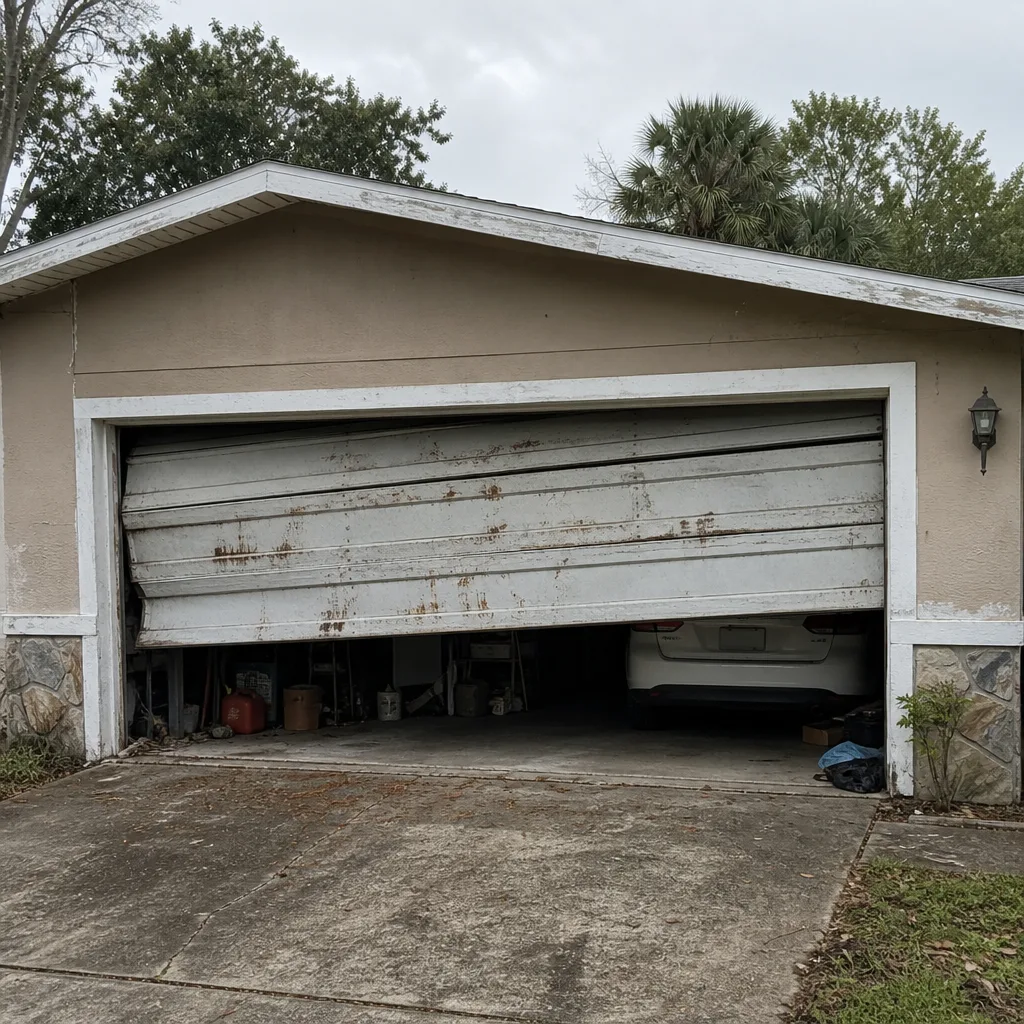 Before
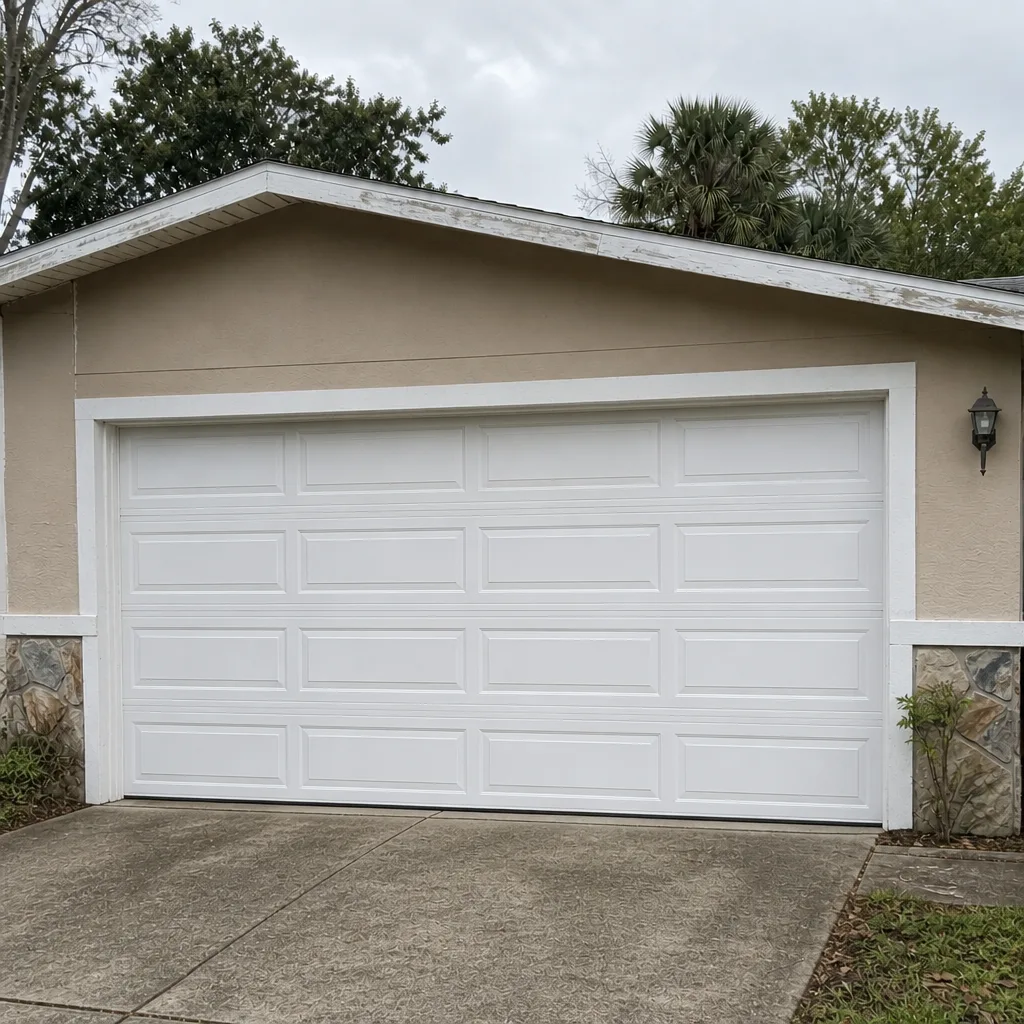 After
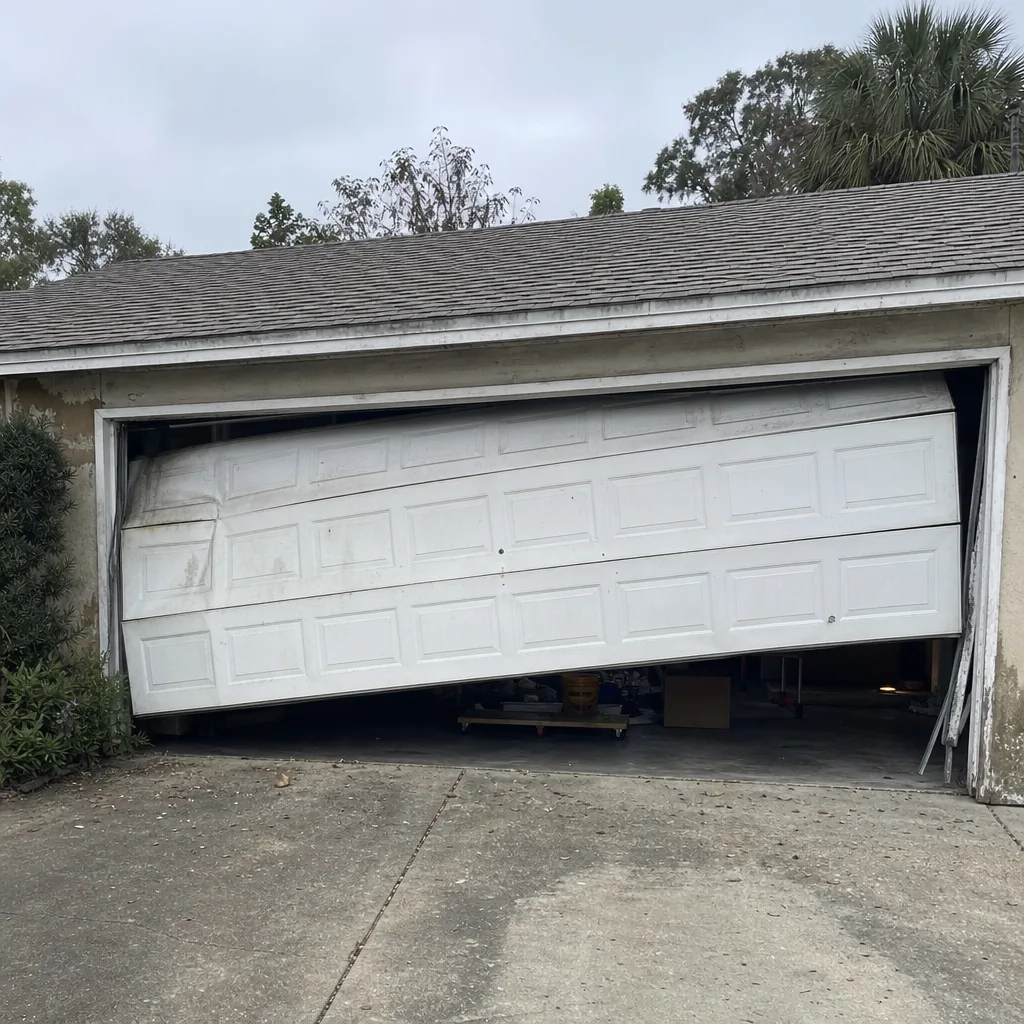 Before
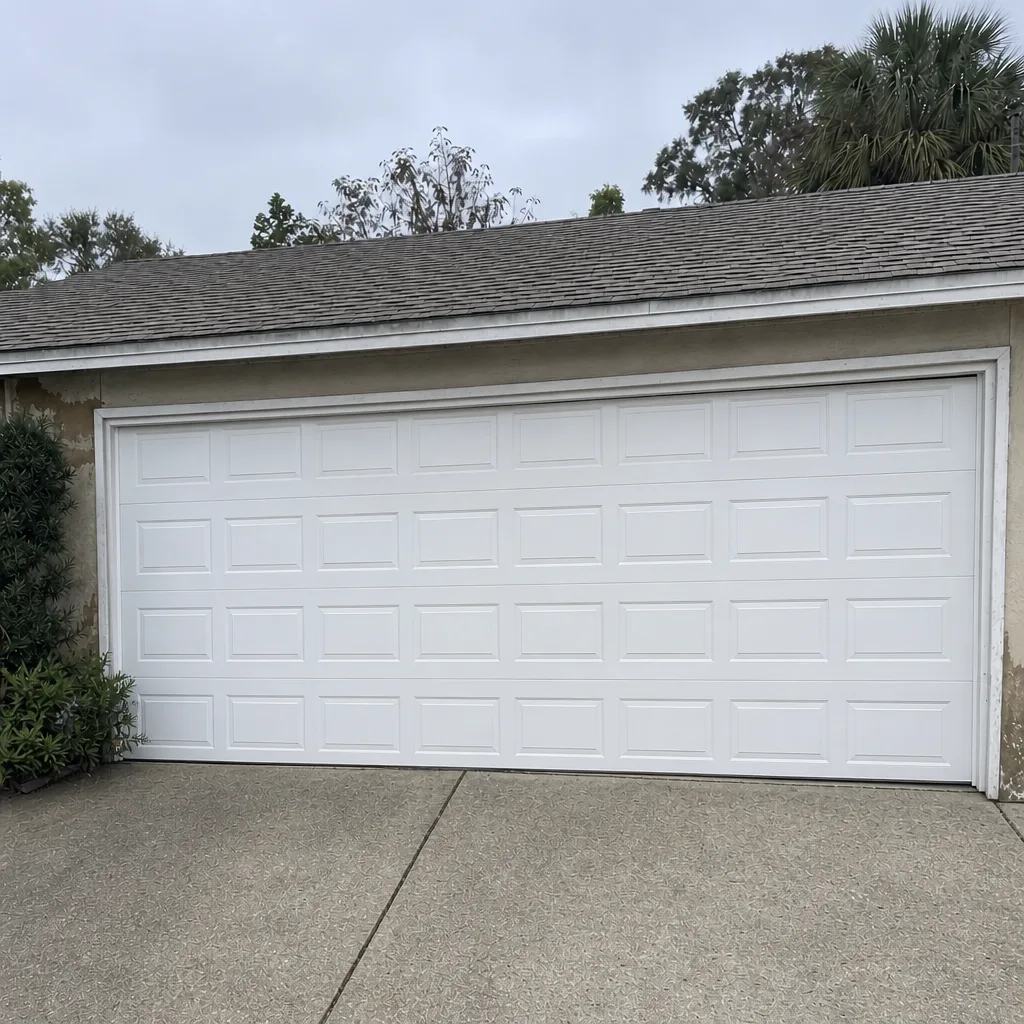 After
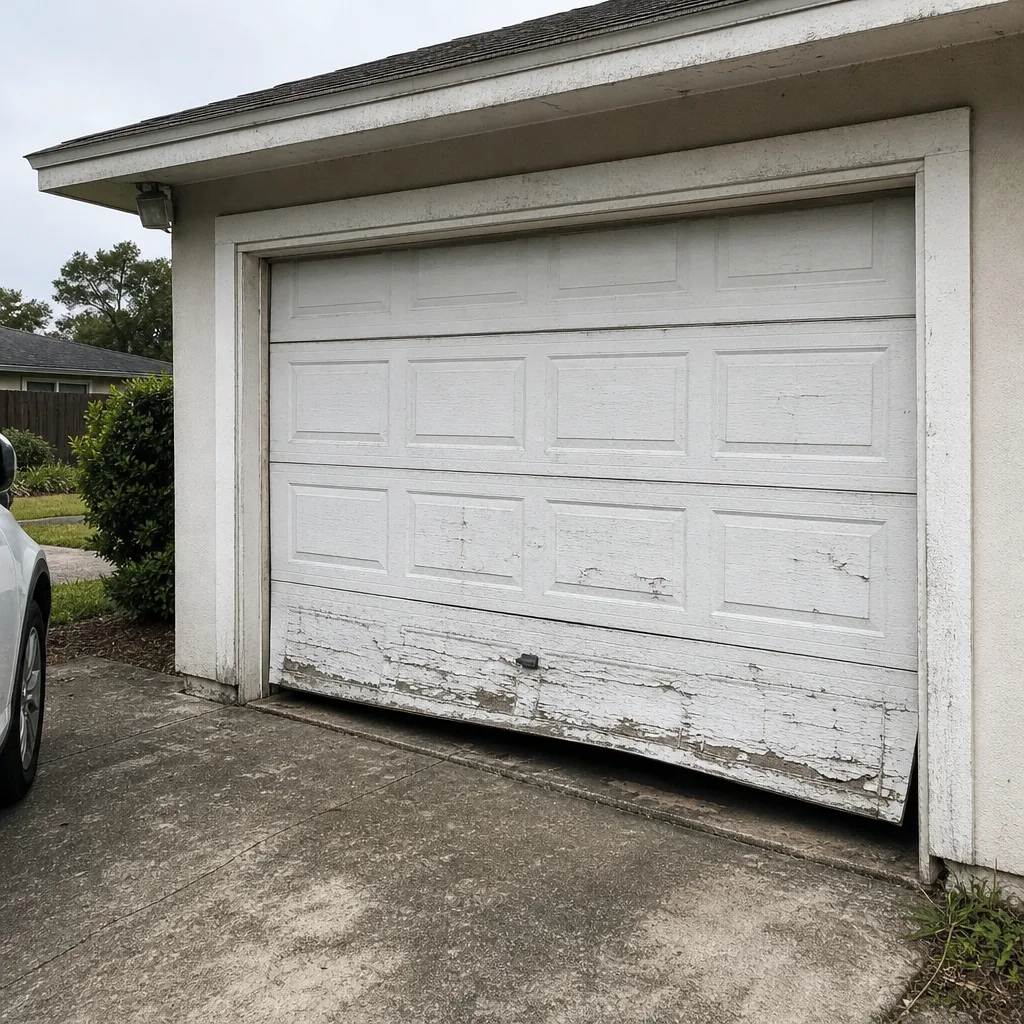 Before
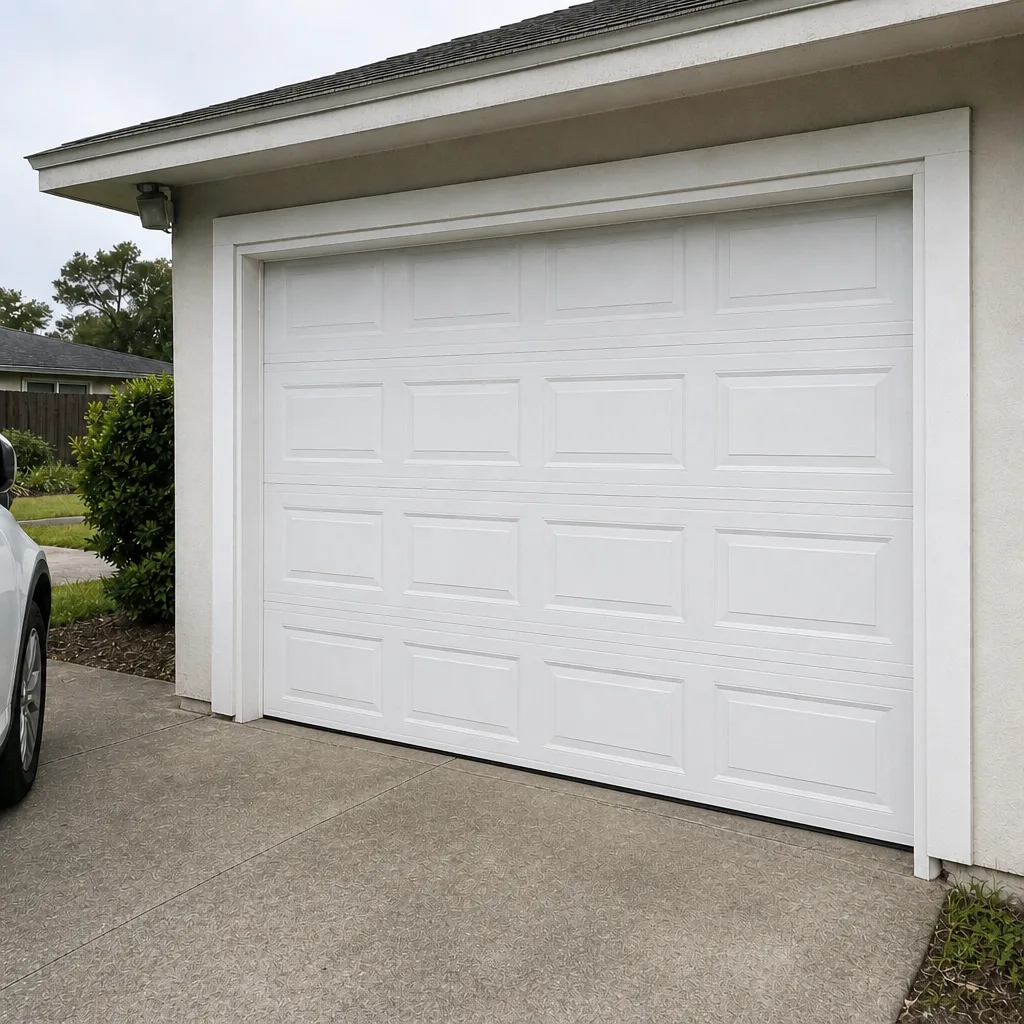 After
When to Call a Professional
Some jobs belong to a trained technician, full stop. Call us if you notice any of the following: a spring that has snapped or looks visibly corroded; a cable that’s frayed, kinked, or slack; a door that won’t stay in place when lifted halfway; a track that’s bent or out of alignment; an opener that reverses for no reason, won’t respond to the remote, or strains to move the door; or a door that hasn’t been professionally inspected in more than a year. Same-day service is available for urgent failures. Port Orange Garage Door Repair Pros offers free estimates in Port Orange – call (877) 735-4535. We answer 24/7. Fast dispatch from 7am to 7pm, Sunday through Friday. Our technicians have up to 9 years of experience across the major door and opener brands, and we work on your brand, not around it.
Frequently Asked Questions
Twice a year, ideally in May before storm season and again in November as the dry season begins. Those two check-ins catch most of the issues that lead to a failure, and the November tune-up is the best time to make mechanical adjustments because they hold better in lower humidity. If the door gets heavy use, add a lubrication check every two to three months during the wet season. Call (877) 735-4535 for a free estimate if you’d rather have a technician do the yearly inspection.
Springs are bare steel and they cycle between damp and dry every time your door moves through the wet season. Surface rust pits the metal, and pitted springs lose tension and fail faster than protected ones. The best prevention is a yearly professional spring inspection and keeping the surrounding hardware lubricated. Never treat a spring yourself – report rust and let a technician handle it. For Port Orange spring concerns, call (877) 735-4535.
Walk the door before you cycle it. Inspect the panels from outside, look at the tracks for bends, check cables and springs for slack or fraying, confirm the door is fully seated, and listen for grinding when you test it by hand. Re-test the safety reverse and photo eyes. If anything looks off, don’t run the opener – call for emergency service. Call (877) 735-4535. We answer 24/7. Fast dispatch from 7am to 7pm, Sunday through Friday.
You can test it, and you should. But adjusting the force or travel limits on a modern opener – we work on LiftMaster and Chamberlain systems regularly – is a professional adjustment, because getting it wrong can disable the safety features that protect people and pets. Test the reverse every month by placing an object in the door’s path, and call if the door fails the test. Call (877) 735-4535 for a free estimate.
Disconnect the opener, lock the door manually, lubricate the hinges and rollers, inspect the seals, and have the door professionally checked before you go. Leave the opener with a neighbor or property manager and ask them to look at the door after any storm. A pre-departure inspection catches the worn part that would otherwise surprise you while you’re gone. Call (877) 735-4535 for a free estimate in Port Orange.
That depends on the diagnosis. A failed gear, a bad logic board, or a worn drive often makes a repair worthwhile on a well-built unit. A system with multiple failing components may not be. We diagnose first and recommend repair before replace, because that’s usually the better call for the homeowner. If you’re unsure, a free estimate will answer the question in a single visit. Call (877) 735-4535.
The Bottom Line
Port Orange doesn’t need a winterizing guide. It needs a four-part calendar: a pre-hurricane inspection in May, humidity and corrosion checks through the wet season, a post-storm walk around the door, and mechanical tune-ups in the dry stretch from November through March. Add a pre-vacation inspection if you leave for the season. Do the checks you can do safely – tightening, lubricating, testing, cleaning – and leave springs, cables, and track adjustments to a professional. Two walks around the door a year is the difference between a door that lasts and one that fails on the wrong day. Our technicians have up to 9 years of experience across LiftMaster, Chamberlain, Craftsman, Raynor, and the other major brands, and Port Orange Garage Door Repair Pros is here when you need us. For a free estimate, call (877) 735-4535. We answer 24/7. Fast dispatch from 7am to 7pm, Sunday through Friday.
Written by the team at Port Orange Garage Door Repair Pros.