
Last updated November 21, 2026
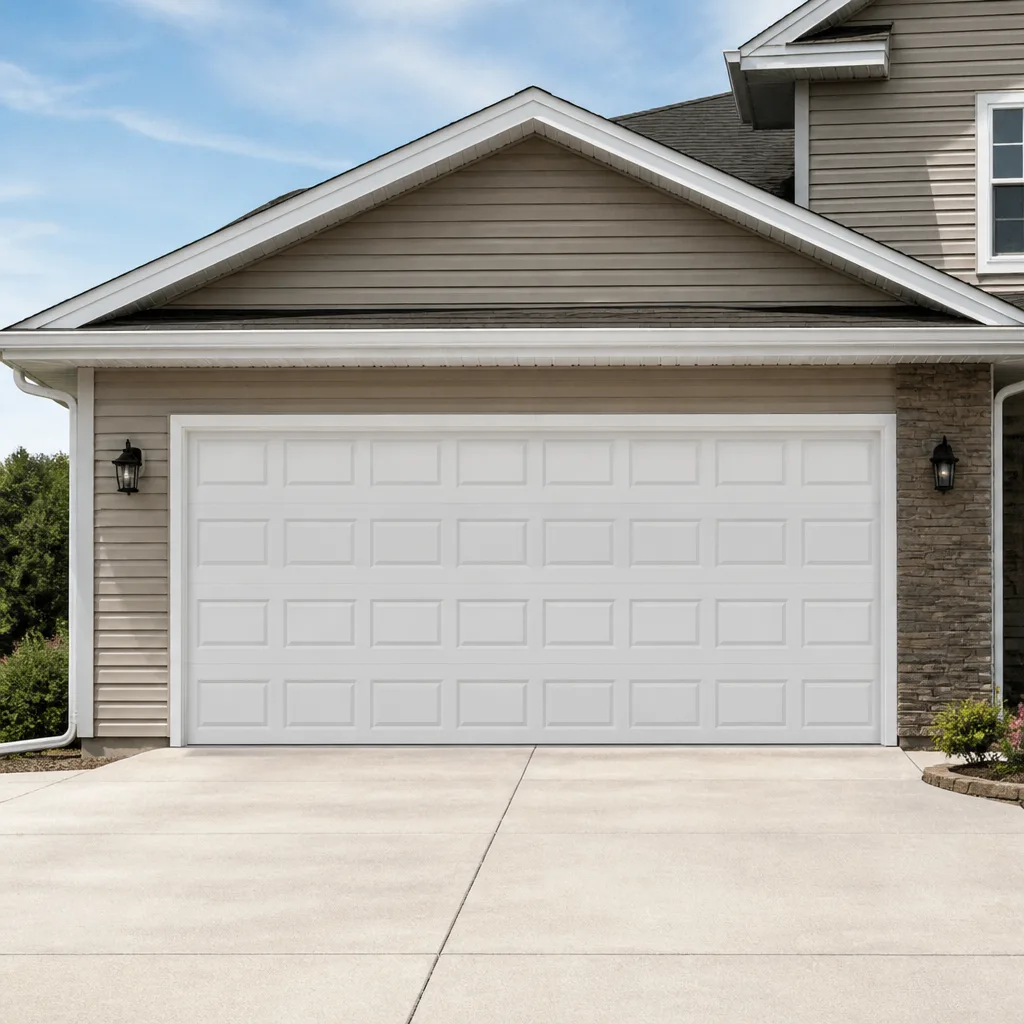 Raised-panel steel
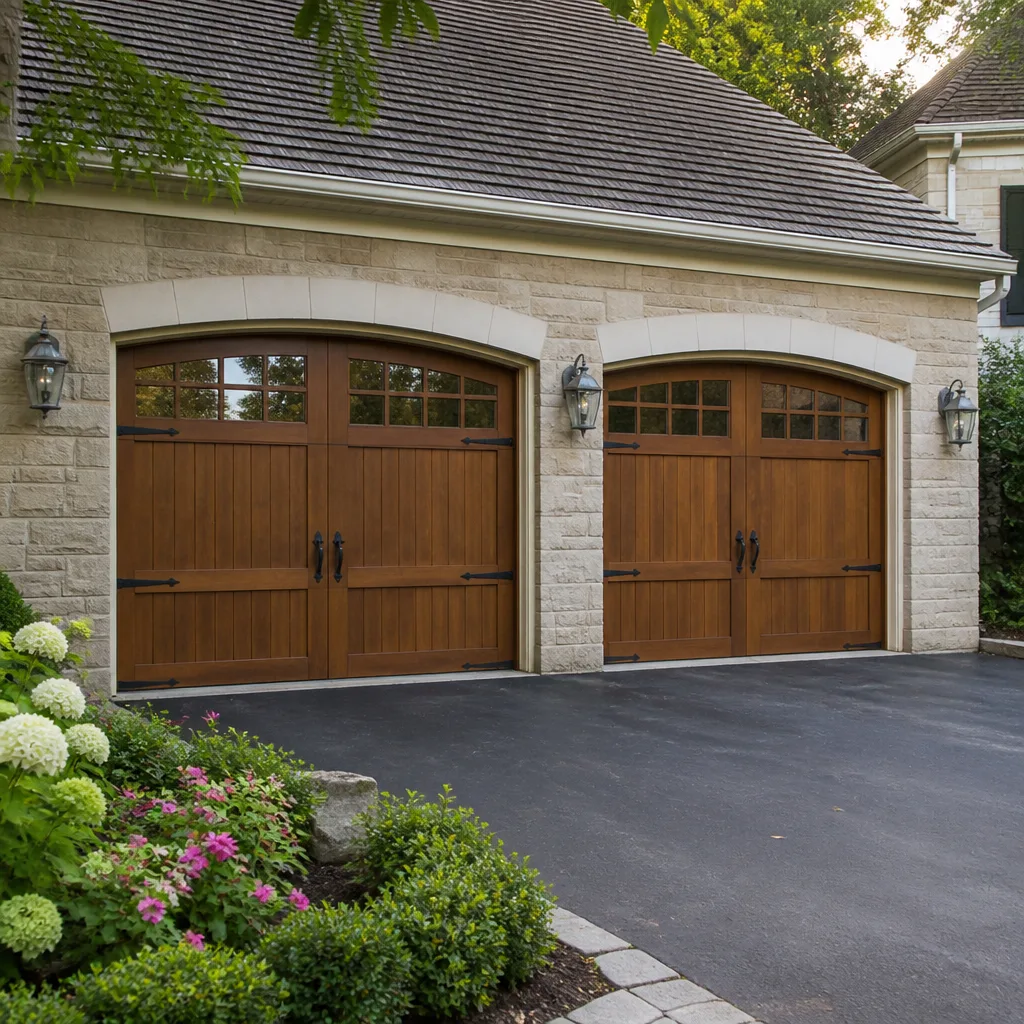 Carriage house
 Modern flush
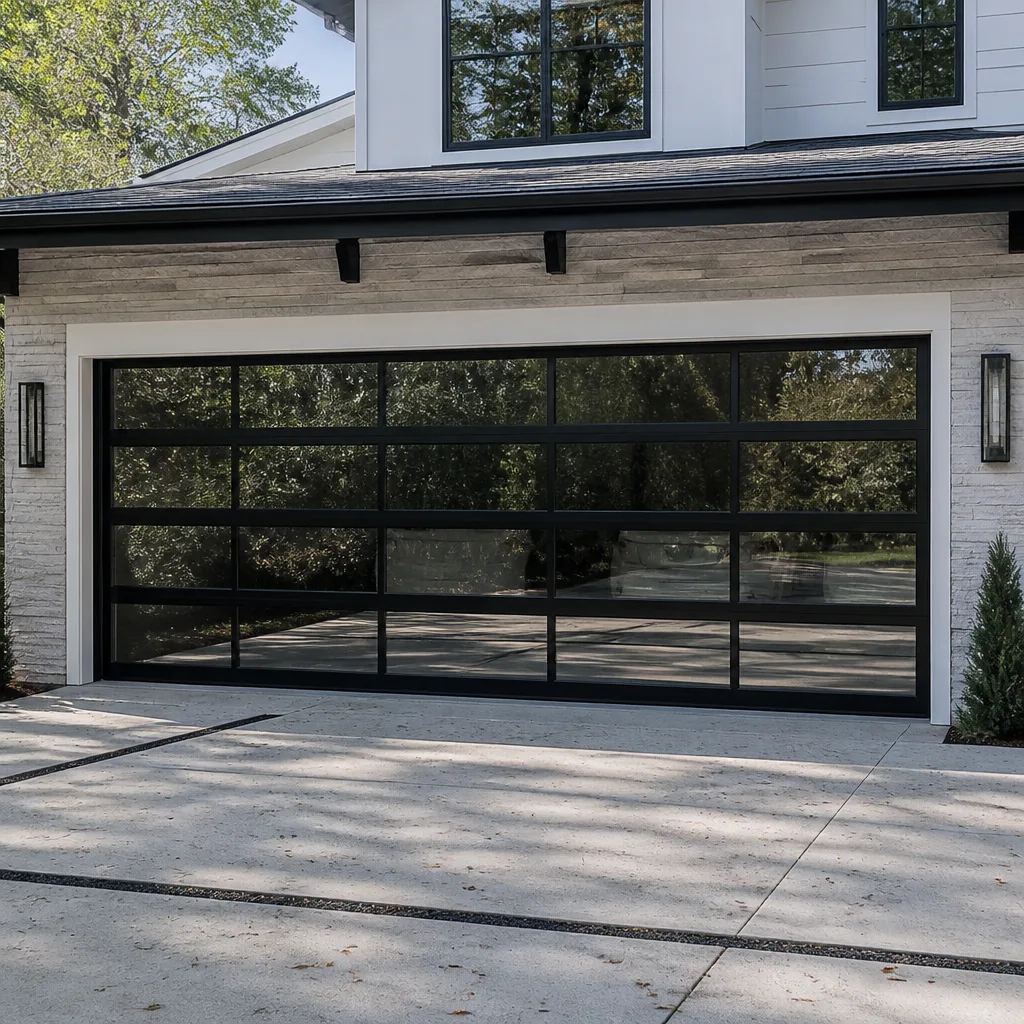 Full-view glass
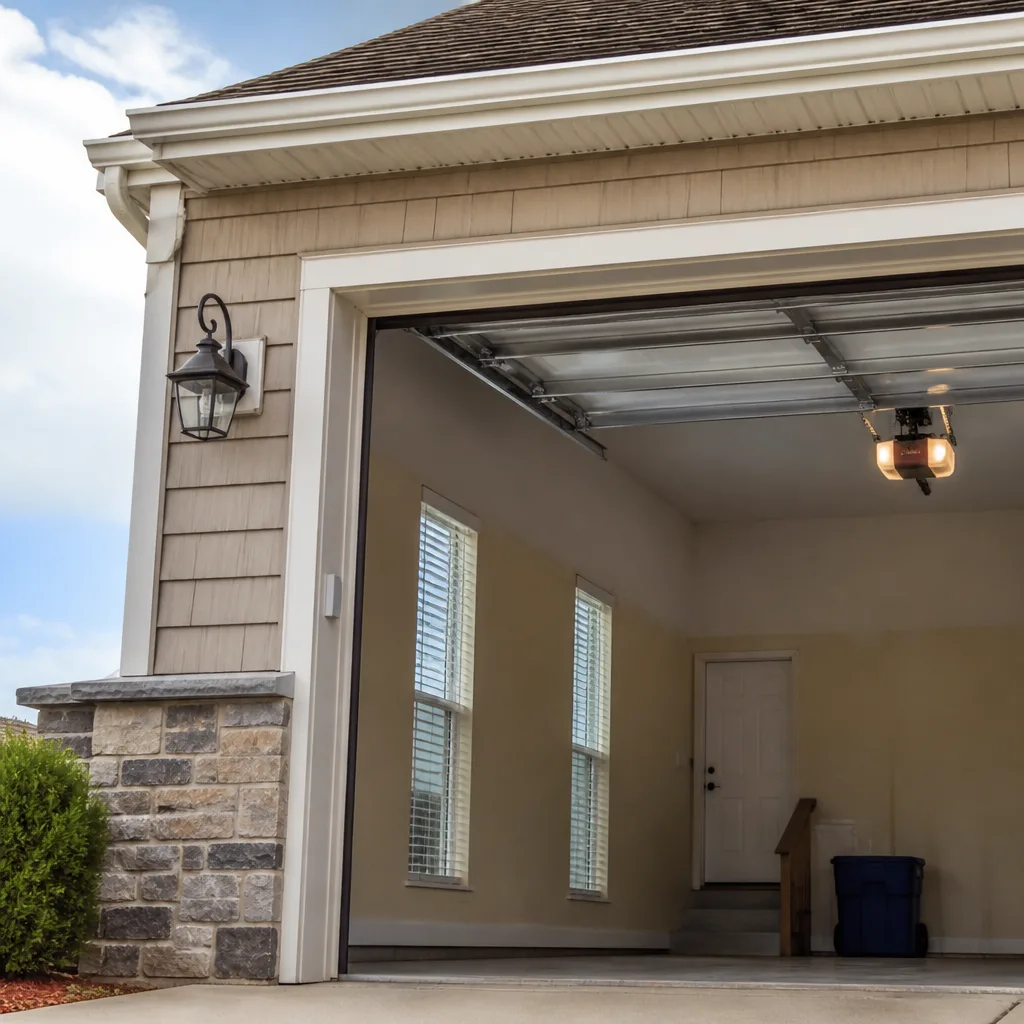 LiftMaster openers
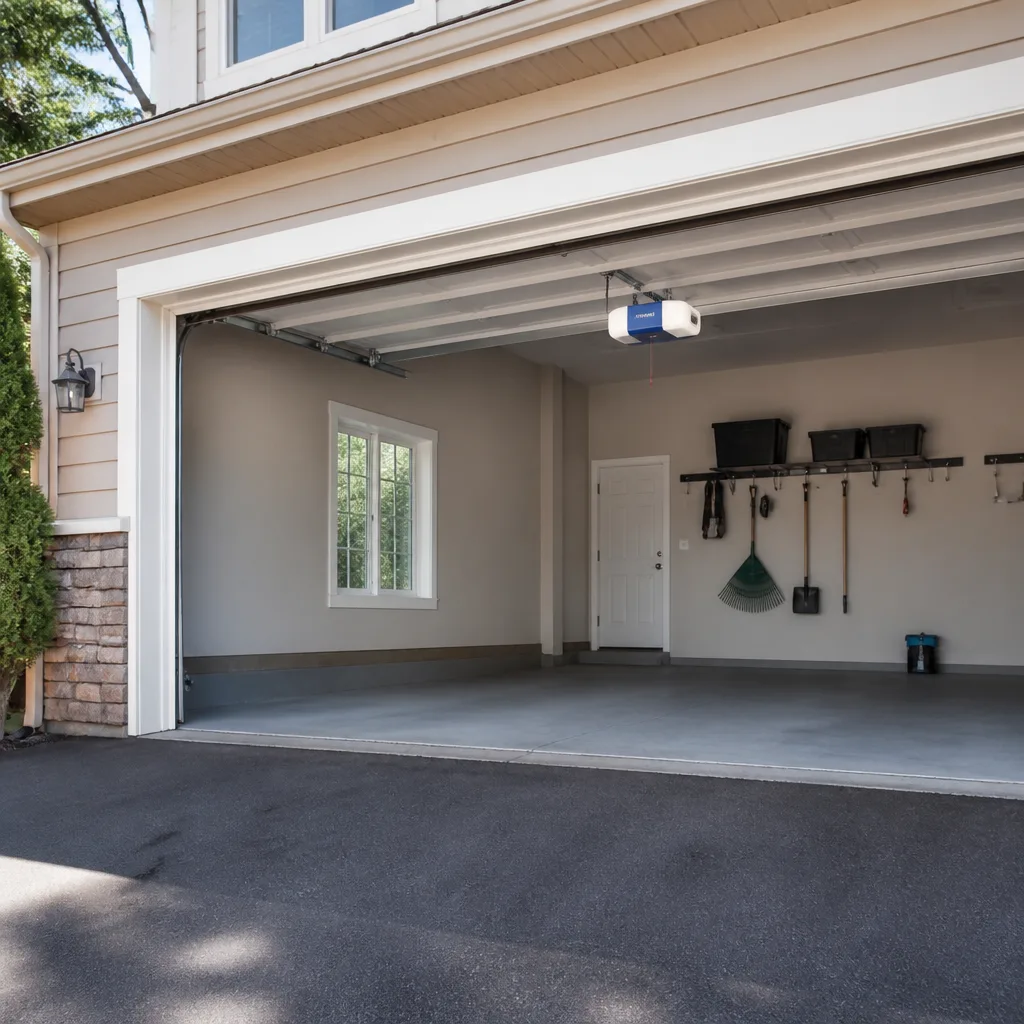 Chamberlain openers
Full 25-point door and opener safety check with every visit - springs, cables, rollers, tracks, and your LiftMaster or Chamberlain opener included
You get a price before we start. It does not change when the pro arrives.
Get your free estimateDIY vs Professional Garage Door: The Port Orange Homeowner’s Decision Guide
A torsion spring the width of your finger holds enough stored energy to break a wrist or worse. That’s not a scare tactic, it’s physics, and it’s the reason the honest answer to “can I fix this myself?” depends entirely on which part of the door you’re asking about. We’re not going to tell you every garage door job needs a professional, because plenty don’t. Weatherstripping, lubrication, sensor alignment, a noisy roller swap: a careful homeowner can handle those on a Sunday morning with a stepladder and a YouTube tab open. What we will tell you is which jobs cross a line where a mistake in Port Orange gets genuinely expensive, either at the emergency room or at the building department. This guide breaks the work down task by task, compares real costs, and explains what Florida’s permit rules mean for anyone thinking about installing a door themselves.
Quick Answer
Safe DIY garage door tasks in Port Orange are limited to maintenance and adjustment: lubricating springs, hinges and rollers, replacing weatherstripping and bottom seals, cleaning and realigning safety sensors, and tightening exposed bolts. Anything involving torsion springs, cables, bottom brackets, or full door installation should go to a trained professional, because those components store or release dangerous force, and in Florida a full door replacement typically requires a permit that a DIY install won’t pass inspection without. Our technicians have up to 9 years of experience and can tell you on a free estimate which category your job falls into.
Styles & brands we work with
- Raised-panel steel
- Carriage house
- Modern flush
- Full-view glass
- LiftMaster openers
- Chamberlain openers
Table of Contents
- Task-by-task: what a confident DIYer can handle vs. what needs a professional
- Why springs and cables are the line you don’t cross
- Why Florida permits make DIY door installation harder than in most states
- The real cost comparison for the five most common Port Orange jobs
- What self-performed work does to your brand-name opener warranty
- DIY prep work that reduces what a professional visit costs
- Brand matters less than diagnosis: what we see across LiftMaster, Chamberlain, Genie and more
- Common mistakes to avoid
- When to call a professional
- Frequently asked questions
Task-by-Task: What a Confident DIYer Can Handle vs. What Needs a Professional
The DIY versus professional question isn’t one decision, it’s a dozen small ones. Somewhere between “wipe down the tracks” and “replace the torsion bar” there’s a clear dividing line, and once you can see it, the whole question becomes easy. Here’s how we sort it when a Port Orange homeowner calls and describes what they’re thinking about doing.
Safe for a careful homeowner
- Lubrication. A garage-rated spray lubricant on hinges, rollers, tracks and the torsion spring shaft reduces noise and slows wear. Do not lubricate the torsion spring coils themselves.
- Weatherstripping and bottom seal replacement. The rubber flap along the bottom and the foam or vinyl strips around the frame are accessible from ground level and snap or screw into place.
- Safety sensor cleaning and alignment. The two small photo-eye sensors near the floor should face each other with an LED lit on each. Wipe the lenses, then adjust the brackets until both lights stay solid when the door is closed.
- Tightening exposed bolts. Hinge bolts and track bracket screws loosen over time; a socket wrench and gentle pressure are enough.
- Track cleaning. A damp cloth and a dry rag in the channel, no solvent.
Needs a trained professional regardless of skill
- Torsion spring replacement. Requires winding bars, a specific number of turns, and knowing the right spring for the door’s weight.
- Cable replacement. Cables are under tension from springs; releasing that tension wrong can whip a cable sheath across the room.
- Bottom bracket and drum work. Both are attached to the cable system and carry live tension.
- Panel or section replacement. Getting a section out without releasing the tension above it is a two-person job with specific tools.
- Full door installation or replacement. Covered below under Florida permits, but also a genuine weight and hardware-management job.
- Opener motor, gear or logic board replacement. The wiring and calibration alone are worth a professional visit, and the brand-specific setup varies widely between LiftMaster, Chamberlain and Genie systems.
For anything on the second list, our team at Port Orange Garage Door Repair Pros can handle garage door spring repair as a core specialty, including the cable and bottom-bracket work that comes with it. The list above isn’t about your confidence level; it’s about which components will hurt you if you get it wrong.
Why Springs and Cables Are the Line You Don’t Cross
A torsion spring is essentially a coiled clock spring, and the amount of energy it holds when wound is the reason two steel winding bars, not screwdrivers, are the tool of the trade. Screwdrivers slip. Winding bars don’t. That sentence alone explains why spring work belongs with a professional.
Here’s what’s actually happening when a spring fails. The torsion spring sits above the door on a steel shaft and is wound to counterbalance the door’s weight. When it snaps, the door’s full weight suddenly transfers to the springs still holding it, the cables, and the opener. That’s why a door with a broken spring may not lift at all, or may fall fast and hard. A snapped spring is loud, and it doesn’t announce itself beforehand.
Why cable and bracket work belongs in the same category
Cables run from the bottom corners of the door to the drums at the ends of the shaft. They’re under tension from the spring, so any work on the cable means the spring tension has to be released safely first. Homeowners who watch a video and decide to swap a cable “really quick” are the calls we get most often, usually because the spring released, the cable whipped, or the door came down unevenly and tore a hinge out of the section. If a spring is visibly broken or a cable is slack and hanging, stop using the door and call for help. It’s not a matter of skill. It’s a matter of stored energy that doesn’t care how careful you are.
Spring repair is one of the most commonly mishandled repairs in the trade. Our technicians treat it as a specialty, meaning they have the tools, the right spring sizes for the door, and the calibration to make sure the door balances correctly when they’re done. Balance is the piece most DIY attempts skip. A door that closes but doesn’t balance will wear out its opener much faster than a door that does.
Why Florida Permits Make DIY Door Installation Harder Than in Most States
A garage door replacement is a structural and wind-load item in Florida, which is why most cities require a permit for a full door swap. Ask the City of Port Orange building department what your specific address needs before you buy a door. We can’t tell you the answer here, and no honest company should claim to, because it varies by door, opening and home. What we can tell you is that the permit requirement alone changes the math on DIY installation in Port Orange.
Here’s the practical difference from most of the country. In a state that doesn’t deal with named storms, a homeowner can pull a door off its brackets, install a new one, and never think about it again. In Florida, doors are evaluated for wind resistance, and a permit means an inspection. The inspector will look at the door’s labeling, the brackets, and whether the installation matches the product’s approved method. A door installed without a permit may not pass that inspection, and the correction cost can be significant if the door has to come off and go back on.
What that means for the DIY calculus
- Call the City of Port Orange building department with your address and the door you’re considering, and ask whether a permit is required and what the inspection covers.
- Ask your homeowner’s insurance whether a self-installed door affects coverage. Some carriers care, some don’t, and asking is free.
- If a permit is required, the install ends with an inspection, not with the door going up and down.
- Weigh that against the two-person labor a door of that size typically needs, the risk of dropping it on a car or a finger, and the warranty question below.
For a full door installation in Port Orange, our team measures the opening, orders the correct size and wind-rated product, and handles the permit and inspection as part of the job. That’s part of why we don’t promise same-day service on installation: a door is measured, ordered and scheduled, not dispatched. What we do promise on installs is a free measure and a written price before anything is ordered.
The Real Cost Comparison for the Five Most Common Port Orange Jobs
The DIY versus professional calculation isn’t really parts versus labor. It’s parts, tool rental, your time, and the chance you’ll have to redo the work versus a written estimate. Here’s how the numbers shake out for the five jobs we hear about most, listed as typical ranges in the Port Orange market. These are estimates; the written estimate sets the final price, and it’s agreed before any work starts.
- Spring replacement (one spring): Typical professional range $180-$340. DIY would require winding bars, the correct spring, and physical confidence in a dangerous job. Matched pairs are usually done together, so a pair is roughly twice that.
- Opener repair or replacement: Typical professional range $140-$450 depending on whether it’s a repair or a new unit. DIY saves the labor but exposes the warranty question covered below, especially with LiftMaster and Chamberlain units.
- Bottom seal and weatherstripping: Typical professional range $90-$220 installed. DIY parts are inexpensive, but this is a safe DIY job if you’re comfortable on a stepladder.
- Cable replacement (pair): Typical professional range $140-$280. This is not a DIY job: the cables carry spring tension.
- Full door installation: Typical professional range $900-$2,600 or more depending on door size, material and window configuration. DIY saves labor but usually raises the permit, inspection and warranty complications above.
What the comparison really turns on
Add up the tool rental, the parts you’ll replace twice if you get a size wrong, the hours of your weekend, and the likelihood of calling a professional anyway after a partial attempt, and the gap narrows fast on anything except the small safe tasks. We’ve seen homeowners start on a spring, realize mid-wind that the bars are flexing, and call us with the door half-disassembled. That call is always more expensive than the original repair would have been. If a job is on the “needs a professional” list, get the estimate first and compare that number honestly to your DIY total.
For any repair in Port Orange, our team provides garage door repair with a written price agreed before any work starts. No surprises at the end.
What Self-Performed Work Does to Your Brand-Name Opener Warranty
Opener manufacturers write their warranties to cover defects in their product, not damage caused by installation or service errors. If a homeowner opens up a LiftMaster or Chamberlain unit, replaces a gear or logic board, and the unit fails later, the manufacturer can point to the unauthorized work as the reason it won’t honor the claim. That’s true of Genie and Craftsman units as well. The warranty itself isn’t the biggest problem; the loss of a possible claim on a unit that’s only a few years old usually is.
The three warranty traps we see most
- Opening the motor housing. Once that casing comes off, most manufacturers treat subsequent issues as customer-caused.
- Using the wrong replacement parts. A gear that looks similar but is a different pitch will chew the unit up within weeks and won’t be covered.
- Changing the door itself without updating the opener. If a new door weighs more or less than the old one, the opener can be working overtime, and the warranty won’t cover wear caused by an unbalanced door.
Repairing before replacing is the honest answer for most openers under a decade old. We work on LiftMaster, Chamberlain, Genie, Clopay, Amarr, Wayne Dalton, Craftsman and Raynor systems, so the diagnosis starts with the brand rather than as an investigation. That’s part of what makes garage door opener repair a straightforward visit rather than three: the technician arrives knowing the unit’s logic board layout, sensor behavior and typical wear points. If the unit is still under manufacturer warranty, we can also tell you whether a repair would affect it, so you can decide with the facts in front of you.
DIY Prep Work That Reduces What a Professional Visit Costs
The best DIY contribution to a garage door repair isn’t the dangerous part. It’s the two or three things a homeowner can do before the technician arrives so the visit stays short and focused. A clean, well-described job is a faster job, and a faster job is a smaller estimate.
Before you call
- Clear the area under and around the door. Move the car, the bikes and anything stacked near the tracks.
- Write down the brand and model of the opener from the label on the motor housing, and the door brand from the label on the section or the frame if you can find it.
- Test the door by hand (with the opener disengaged) and note whether it feels heavy, jumps, or drops fast. Don’t force it if a spring is visibly broken.
- Note the exact misbehavior: does the door reverse before closing, stop halfway, or run without moving? When did it start?
- Wipe down the tracks and lubricate hinges and rollers before the visit. It’s a safe DIY job, and it makes diagnosis faster.
What a homeowner can safely keep up with over time
- Weatherstripping and bottom seal replacement every few years as the rubber ages.
- Sensor cleaning and alignment after any bump near the photo-eyes.
- Lubrication two or three times a year.
- Visual inspection: look for bent tracks, frayed cables, loose hinge bolts and a door that closes unevenly.
Any job on this list is one you can do yourself in Port Orange without special tools or a permit. Anything that isn’t on the list should get an estimate before you start. For broken-door situations that can’t wait, we offer same-day emergency service and garage door repair in Port Orange; call us and we’ll tell you honestly whether the repair can wait for a scheduled visit or needs help now.
Brand Matters Less Than Diagnosis: What We See Across LiftMaster, Chamberlain, Genie and More
A homeowner with a Genie opener and a homeowner with a Chamberlain unit can describe the exact same symptom and need completely different repairs. That’s the argument for a technician who knows both systems, and it’s why we work on eight major brands rather than one. The brand isn’t the whole answer, but it tells us where to look first.
What brand fluency actually buys you
- Faster diagnosis. A technician who works on LiftMaster and Chamberlain every week knows their sensor behavior, logic board layouts and current travel-limit adjustment methods.
- Correct parts. Genie uses different gear teeth and drive components than Chamberlain; a Wayne Dalton door has different hinge and section geometry than a Clopay. Brand-specific knowledge avoids the “first visit to diagnose, second visit to fix” pattern.
- Honest repair-before-replace advice. Some units are worth repairing; some aren’t. A technician familiar with the brand can tell you which category yours is in.
- Door-and-opener continuity. If you eventually replace the Clopay door and keep the old opener, we can tell you whether the existing opener is rated for the new door’s weight.
We service LiftMaster, Chamberlain, Genie, Clopay, Amarr, Wayne Dalton, Craftsman, and Raynor systems, from older mechanical units to the Wi-Fi-enabled openers that pair with smart-home apps. That span is what allows a single company to handle the diagnostic visit, the repair and the eventual installation without sending you to a different business for each step. Port Orange homeowners with older doors and newer openers often need exactly that continuity.
Common Mistakes to Avoid
- Winding a torsion spring by hand. Two screwdrivers are not winding bars. The spring can release the moment they slip, and the damage to a wrist or hand can be permanent.
- Cutting or unbolting a cable to see what happens. The cable is under tension from the spring. Releasing it without releasing the spring first is how doors come down unevenly and tear their mounts.
- Installing a new door without a permit. In Port Orange, a full door replacement is likely to need one, and an inspection that fails can mean the door comes off and goes back on at your cost. Ask the city’s building department before you buy the door.
- Opening an opener under manufacturer warranty. Once the motor housing is opened, most manufacturers treat later issues as customer-caused, and the warranty claim is gone.
- Ignoring a door that closes unevenly. An out-of-balance door wears out the opener much faster than a balanced one. It’s an early warning sign, not just an aesthetic issue.
- Replacing a panel or hinge without checking the tension system. Both are connected to the cable and spring. What looks like a simple swap is a released-tension problem waiting to happen.
- Skipping lubrication for years, then forcing the door when it binds. Small, regular maintenance is cheap and safe. Forcing a stiff door is how the next spring fails.
When to Call a Professional
Call a professional for these situations: a snapped or sagging torsion spring, a slack or frayed cable, a door that drops fast or won’t lift, a bent bottom bracket, an opener that runs but doesn’t move the door, a door that reverses before touching the floor, and any full door installation or replacement. Also call if you’re not sure which category the job falls into. The free estimate exists precisely for that question.
Port Orange Garage Door Repair Pros offers free estimates in Port Orange. Our technicians have up to 9 years of experience, we work on eight major brands, and we do a written price agreed before any work starts. Spring repair is a named specialty, emergency service is a core offering rather than an add-on, and our phone line is answered around the clock even when our dispatched visits aren’t. Call (877) 735-4535. We answer 24/7. Fast dispatch from 7am to 7pm, Sunday through Friday.
Frequently Asked Questions
No. A torsion spring stores enough energy to break bones when it releases unexpectedly, and releasing that energy safely requires proper winding bars and the right number of turns for your door’s weight. Our team handles spring repair as a specialty. Call (877) 735-4535 for a free estimate; the price is agreed before any work starts.
Most likely yes. Full garage door replacements are typically treated as a permitted item in Florida, and an inspection follows the install. Ask the City of Port Orange building department with your address and the door you’re considering for the exact requirement. We handle the permit and inspection on Port Orange installations, and we’ll measure the opening and give you a written price first.
Lubrication, weatherstripping and bottom-seal replacement, safety sensor cleaning and alignment, tightening exposed bolts, and cleaning the tracks. These are all safe, ground-level or short-stepladder jobs with no stored-tension components. Anything involving the spring, cables, bottom bracket, drums, panels, the opener motor or the full door belongs with a technician.
On the safe jobs, yes: the parts are inexpensive and the labor is minimal. On spring, cable or door-installation work, the savings usually disappear once you add tool rental, a possible second attempt, and in the case of installation a permit that hasn’t been pulled. A free estimate lets you compare the two paths with actual numbers. Call (877) 735-4535 for the estimate.
Often, yes. Opening the motor housing on a LiftMaster, Chamberlain, Genie or Craftsman unit is usually treated by the manufacturer as customer-caused work, and a later defect claim on the unit may be denied. If the unit is still under warranty, call us before opening the casing so we can tell you whether the repair would affect it. Estimates are free.
Often yes, if it’s a repair rather than an installation. We offer same-day emergency service and we’re set up to respond when the door fails at a bad time. We answer 24/7 and fast dispatch runs from 7am to 7pm, Sunday through Friday. Installations are measured, ordered and scheduled, never same-day. Call (877) 735-4535.
The Bottom Line
The DIY versus professional decision for garage doors comes down to which components carry stored energy. Lubrication, weatherstripping, sensor alignment and cleaning are safe, useful DIY jobs. Springs, cables, brackets, opener internals and full door installations carry injury and permit risk that no amount of confidence removes. In Port Orange, the permit piece is specific to Florida and worth a single call to the building department before you buy a door. If you’re still not sure where the line falls for your job, an estimate answers it faster than a video will. Our technicians have up to 9 years of experience, we work across eight major brands, and every job starts with a free estimate and a written price agreed before any work begins.
Call (877) 735-4535 for a free estimate on any garage door or opener job in Port Orange. We answer 24/7. Fast dispatch from 7am to 7pm, Sunday through Friday. Whether it’s a snapped spring, an opener that won’t respond, or a door that won’t close, our team at Port Orange Garage Door Repair Pros can help you decide between repairing and replacing before anything is ordered.
Written by the team at Port Orange Garage Door Repair Pros.
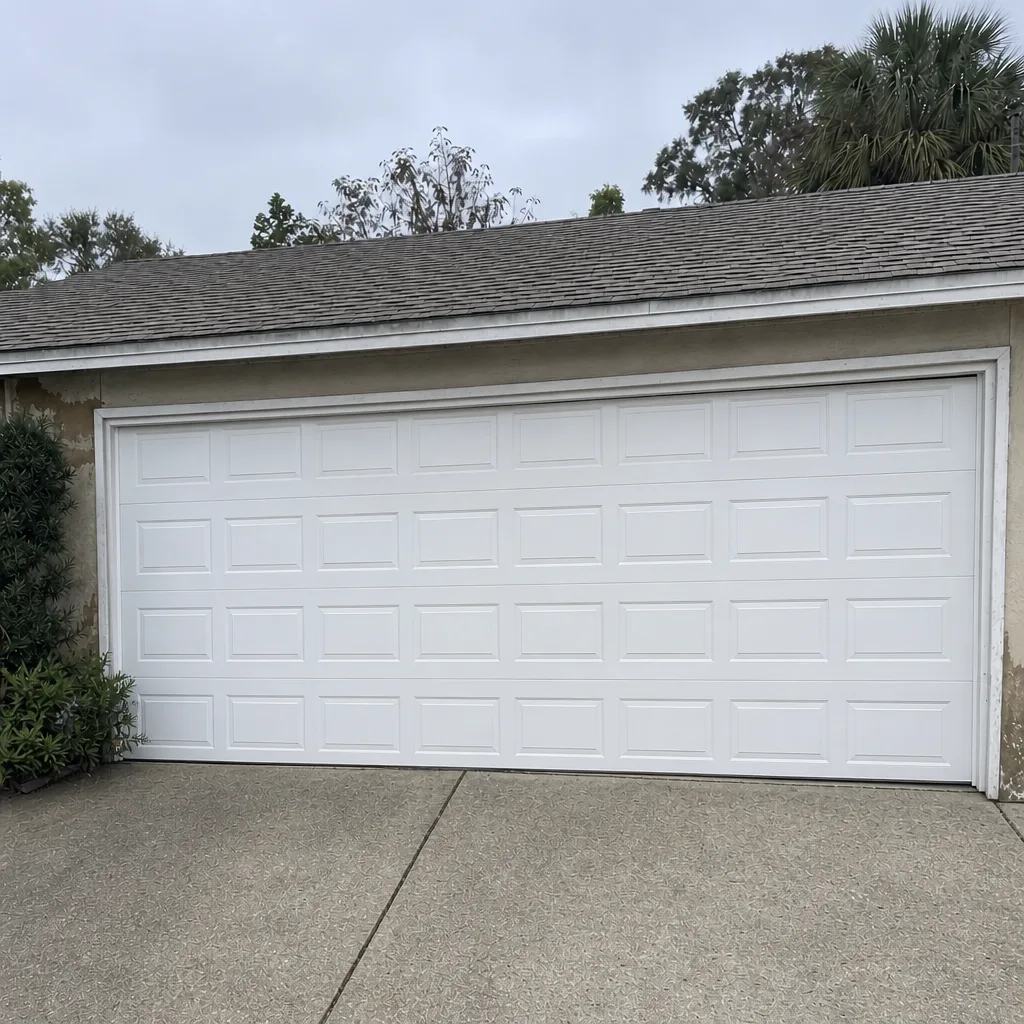
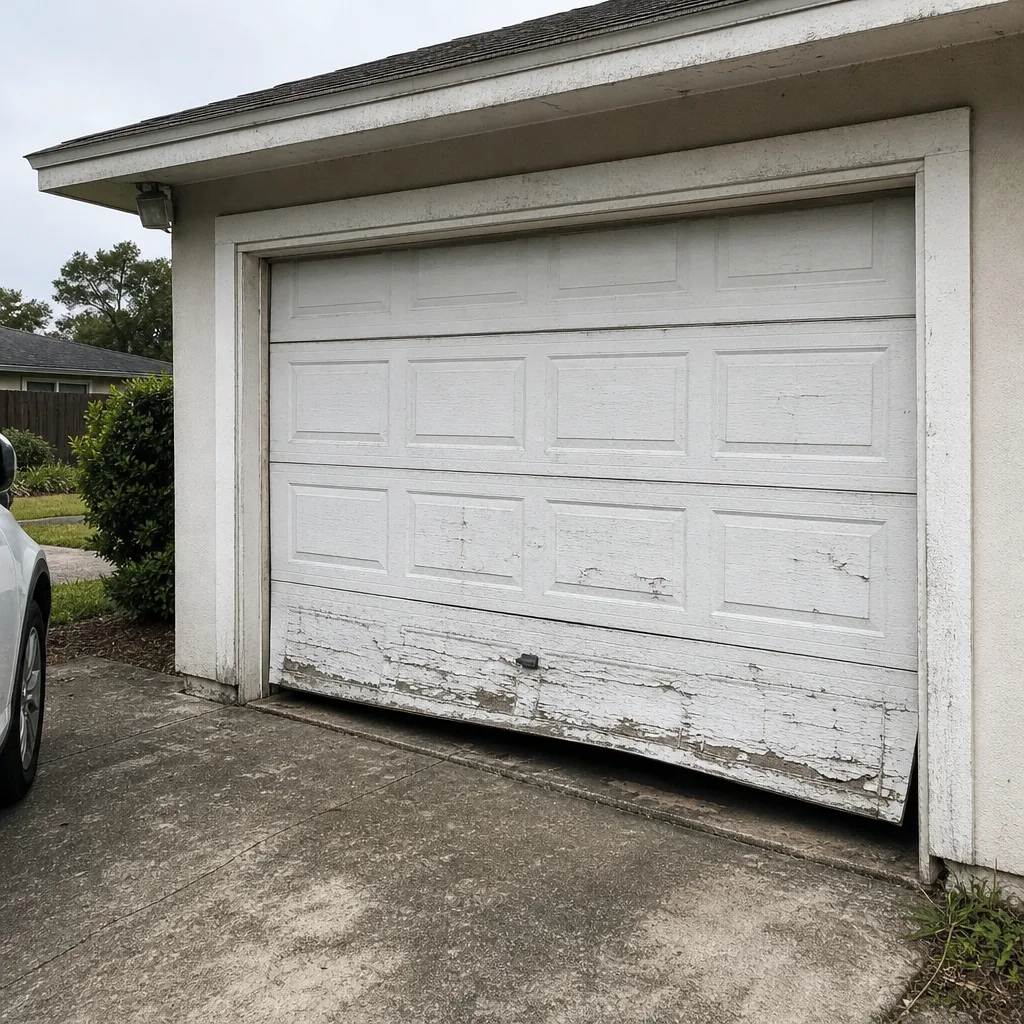
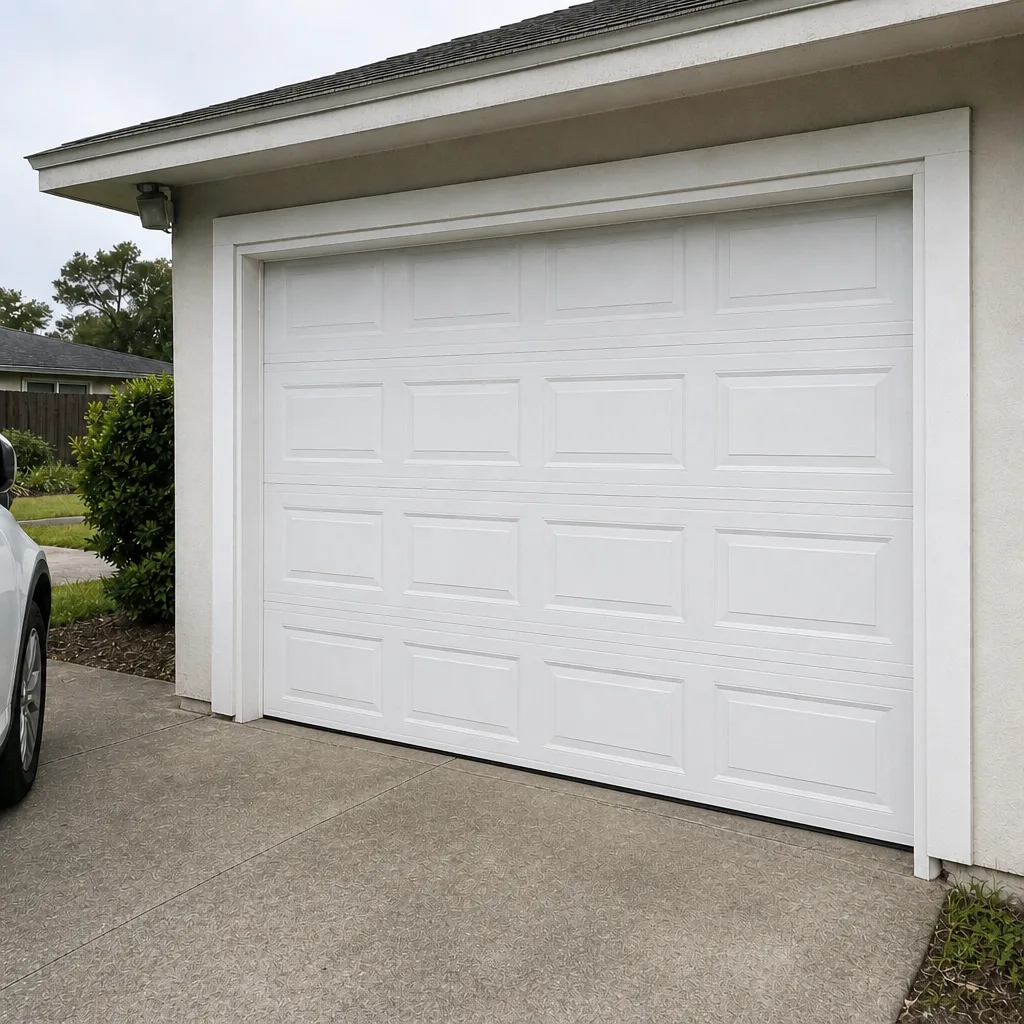
See the difference
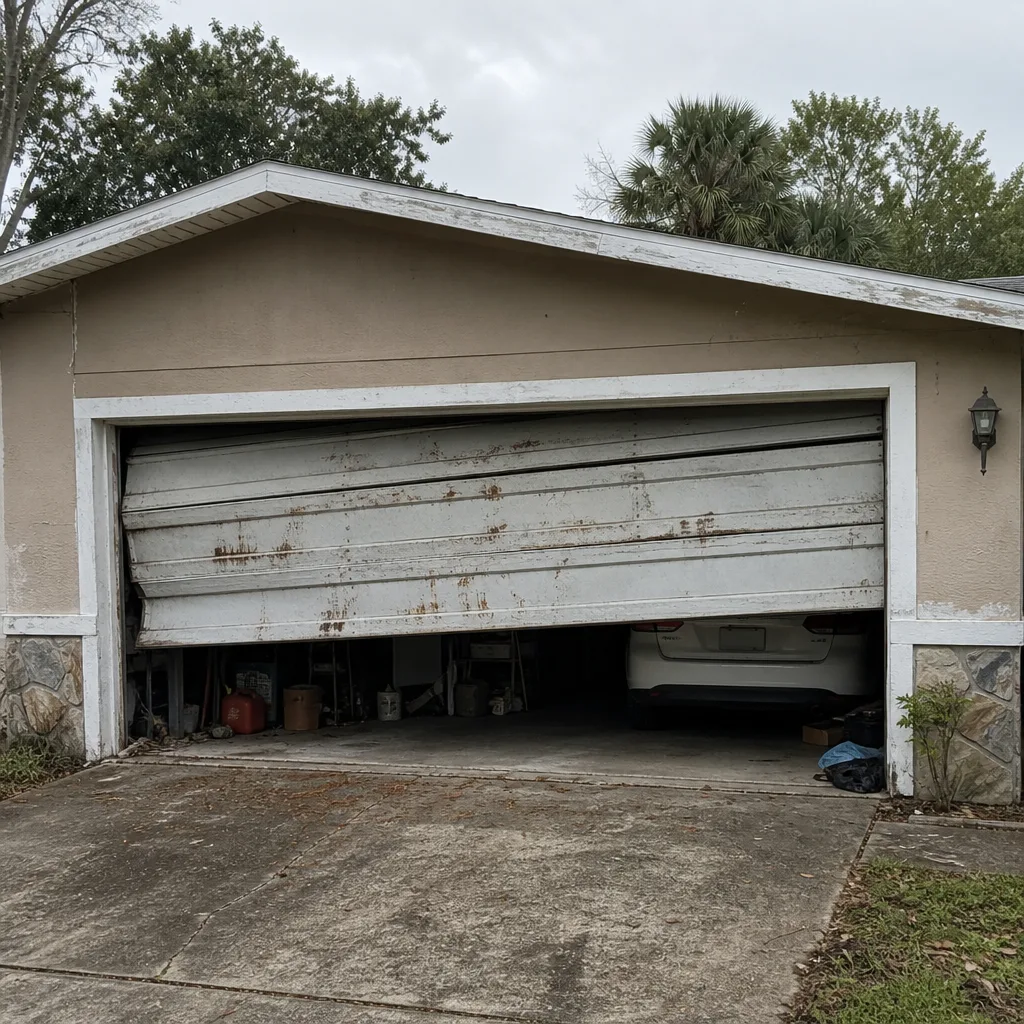 Before
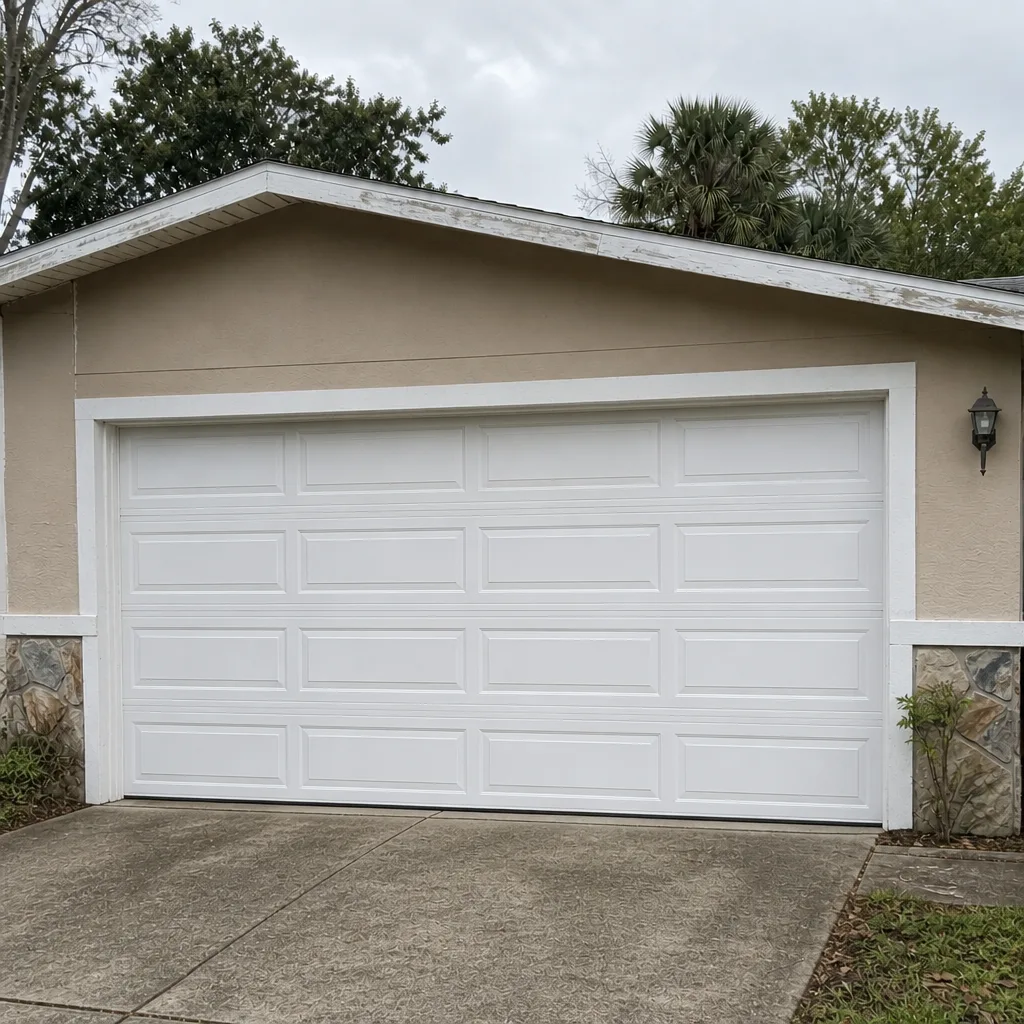 After
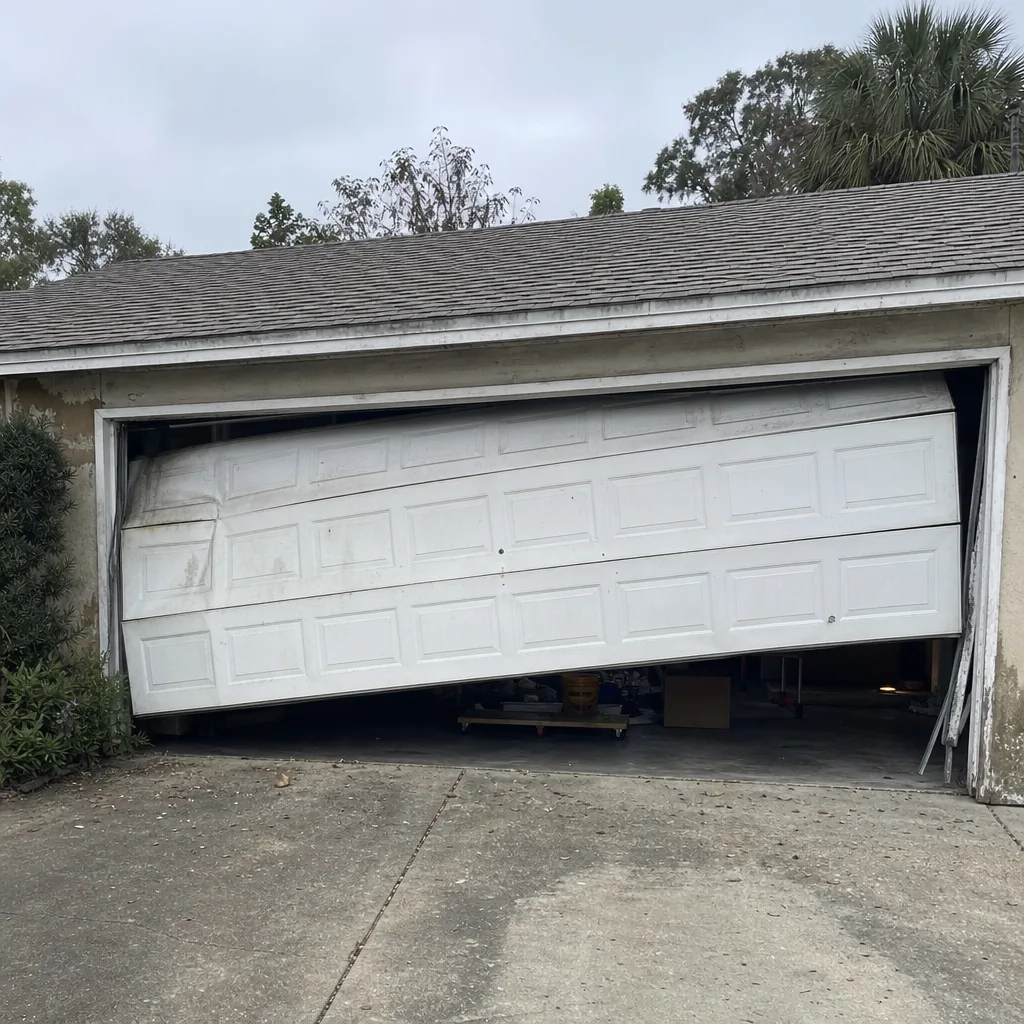 Before
 After
 Before
 After