
Last updated November 21, 2026
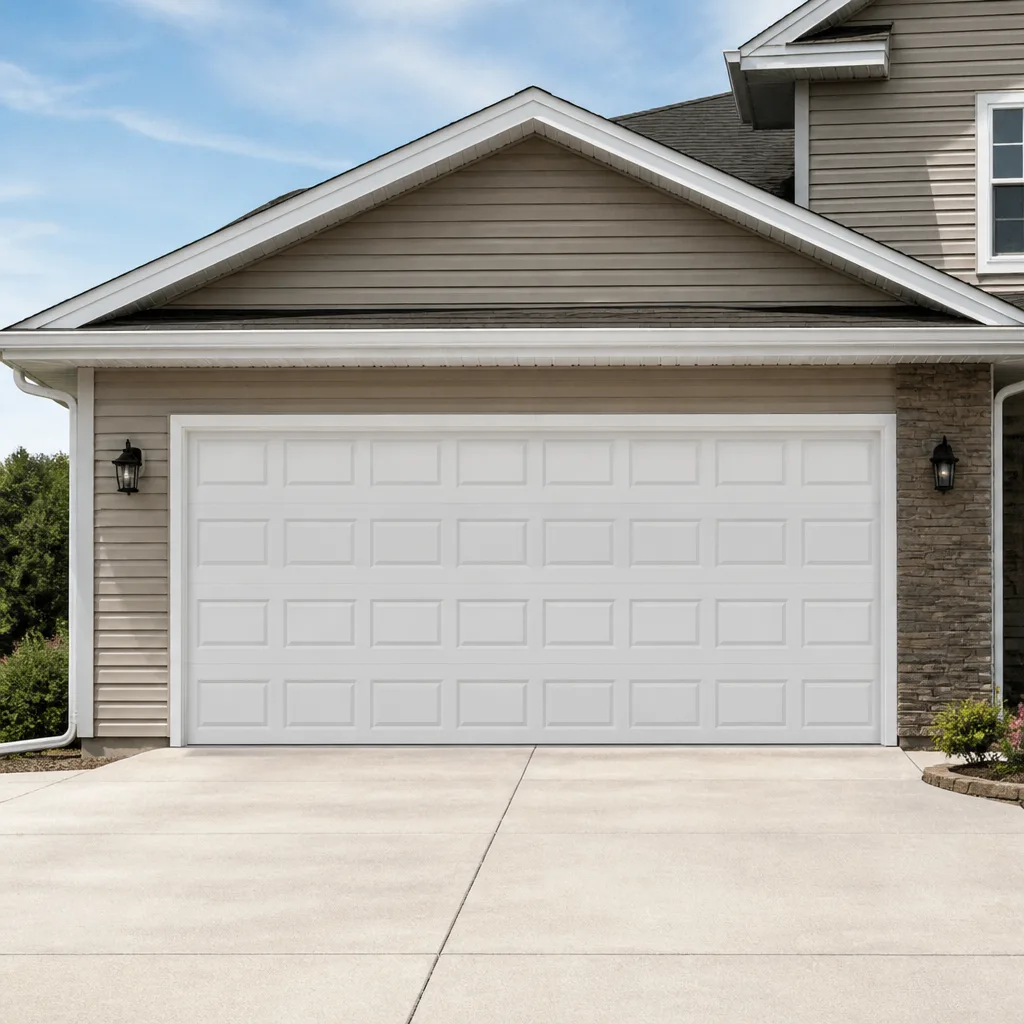 Raised-panel steel
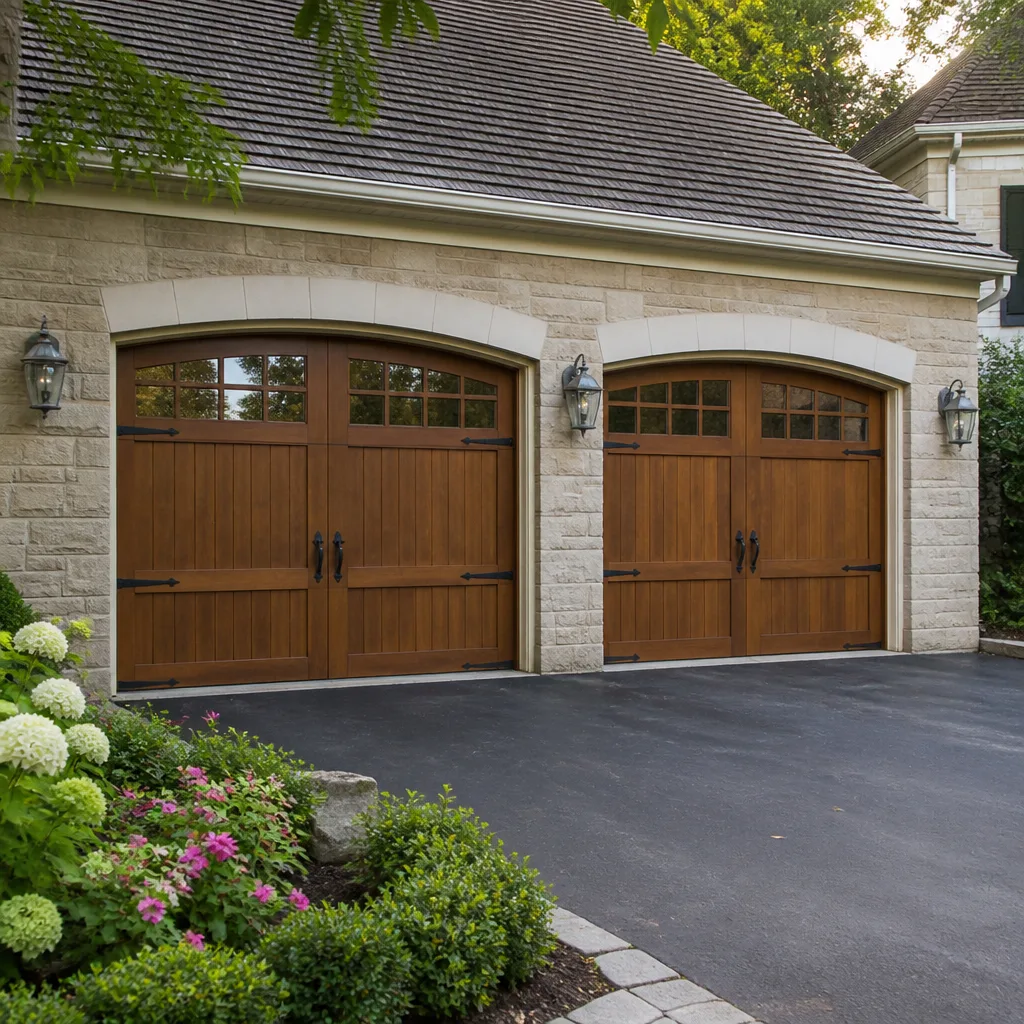 Carriage house
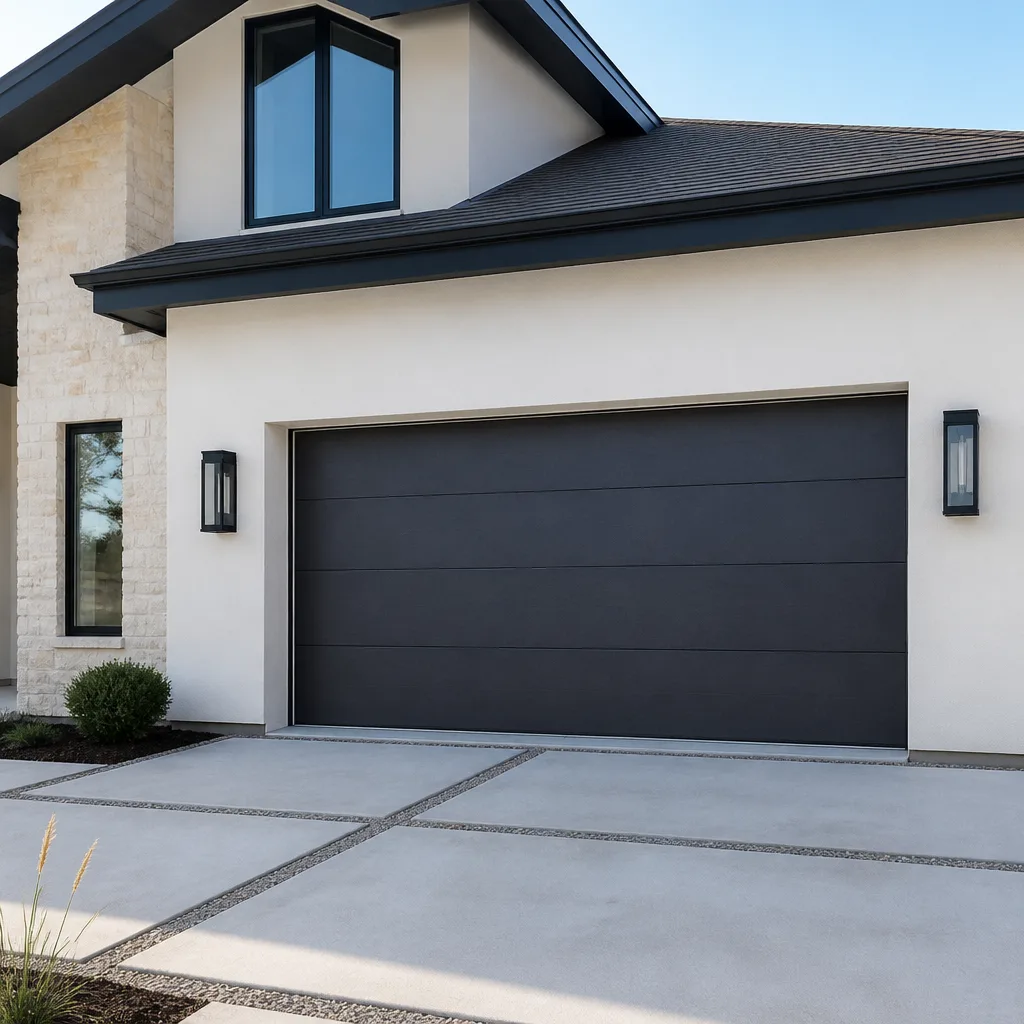 Modern flush
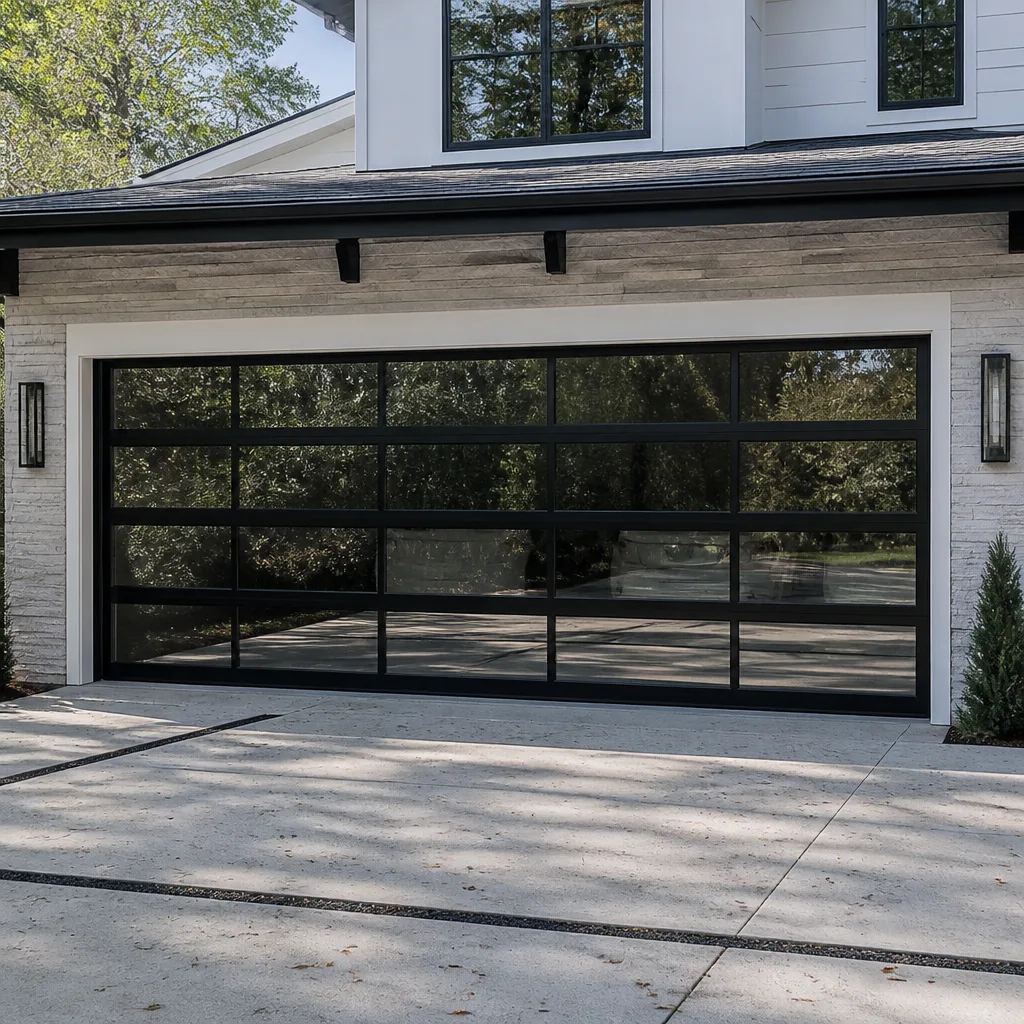 Full-view glass
 LiftMaster openers
 Chamberlain openers
Full 25-point door and opener safety check with every visit - springs, cables, rollers, tracks, and your LiftMaster or Chamberlain opener included
You get a price before we start. It does not change when the pro arrives.
Get your free estimateGarage Door Permits, Codes & Inspections in Port Orange, FL: What You Need to Know
Most homeowners think a garage door is a product. Volusia County treats it as part of the building envelope, which changes everything about who is allowed to install one and how. A door swap can add value to a Port Orange home or quietly create a headache that surfaces years later, depending on whether the paperwork was done. And the paperwork is small: a short application, a drawing, an inspection or two. What’s expensive is skipping it. This guide walks through exactly when a permit is required here, what Florida’s wind-load rules ask of a door, how the inspection sequence runs from application to final sign-off, and why your insurance company will care about all of it long after the installers have packed up.
Quick Answer
In Port Orange, replacing a garage door or installing a new one requires a building permit through the City of Port Orange Building Division, and the work must meet Florida Building Code wind-load requirements. Routine repairs like a broken spring, a tired opener, or a bent track generally don’t need a permit. The permit itself is inexpensive compared with the cost of an unpermitted door later failing an inspection, complicating an insurance claim, or surfacing during a home sale.
Styles & brands we work with
- Raised-panel steel
- Carriage house
- Modern flush
- Full-view glass
- LiftMaster openers
- Chamberlain openers
Table of Contents
- When Does a Garage Door Project Need a Permit in Port Orange?
- Repair vs. Replacement vs. New Installation: Where the Line Sits
- Florida Building Code Section 1609 and Wind-Load Rules for Garage Doors
- What Inspectors Actually Look For During Sign-Off
- Pulling the Permit Yourself vs. Having Your Contractor Pull It
- What an Unpermitted Door Means for Your Homeowner’s Insurance
- The Inspection Timeline, Start to Finish
- Permits and Resale: The Title Problem Nobody Warns You About
When Does a Garage Door Project Need a Permit in Port Orange?
A permit is required in Port Orange, FL when you replace a garage door or install a door on a new opening. The permit exists to verify the door and its hardware meet the wind-load requirements of the Florida Building Code, which matters in a region where a garage door is often the largest opening in the house. A permit is generally not required for repairs that restore an existing door to working order; the line between repair and replacement is the core distinction the Building Division will ask about.
Volusia County applies the Florida Building Code, and the City of Port Orange Building Division handles permitting and inspection for work inside city limits. The practical rule is that any project that changes the door, the framing, or the attachment points is a permitted project, while a project that keeps the door and only fixes a failed part is not.
Projects that typically require a permit:
- Replacing an existing garage door with a new door, even if the opening stays the same size.
- Installing a door on a new opening or in a conversion where the opening is being created.
- Changing the door type in a way that changes the rated wind-load performance of the assembly.
- Structural work around the opening, including header or jamb changes, which is reviewed under the building code generally.
Projects that generally do not require a permit:
- Spring replacement and cable replacement on an existing door.
- Opener repair or replacement on an existing, permitted door.
- Track realignment, roller replacement, hinge work, and panel adjustment.
- Weatherstripping and bottom-seal replacement.
One caveat: the Building Division makes the final call on scope, not the installer. If you’re unsure whether your project sits on the repair side or the replacement side, a call to the City of Port Orange Building Division before work starts settles it, and the answer is quick. For repair work inside the no-permit zone, garage door repair is scheduled like any other service call.
Repair vs. Replacement vs. New Installation: Where the Line Sits
Repair restores a door that already exists. Replacement swaps out the door itself. New installation puts a door where there wasn’t one. In Port Orange, only the last two are permitted projects, and a contractor who understands the distinction won’t ask you to permit a spring job or skip a permit on a full swap.
The confusion usually starts because a failed door often sits at the fork. A door that has been through a storm, has a bent section, and no longer seats against the opening may be repairable or may need replacement. The decision isn’t about how bad it looks; it’s about whether the frame, the tracks, and the panels can be brought back within spec.
- Assess the existing door. If panels, hardware, and tracks are intact and the problem is mechanical, it’s a repair.
- Check the rated label on the door. A replacement door needs to meet or exceed the wind-load rating specified for your opening.
- Compare cost against a permitted replacement. The permit process is straightforward; the goal is to make sure you’re not paying for a replacement you didn’t need or accepting a repair that leaves an unsafe assembly behind.
- Confirm scope with the Building Division if there’s any doubt. A five-minute call clarifies whether you’re in permitted or non-permitted territory.
In our experience, Port Orange homes in neighborhoods like Waters Edge, Venetian Bay, and the older stretches near Dunlawton Avenue see a fair amount of door swaps because of age and storm wear, and a fair amount of repair calls because a spring failed on an otherwise fine door. We approach both the same way: diagnose first, then tell you which side of the line the project sits on before anything is ordered. Repair before replace isn’t a slogan here; it changes what the job is and what the paperwork requires.
Florida Building Code Section 1609 and Wind-Load Rules for Garage Doors
Florida Building Code Section 1609 sets wind-load requirements for buildings, and garage doors fall under those requirements because a door is a large, load-bearing part of the envelope. In Port Orange, a permitted door installation has to show the door is rated for the design wind pressure at that opening. The reviewer compares the door’s product data and installation details against the code requirement for the structure.
What that means on a practical level: a garage door isn’t chosen by style alone. The label on the door, the manufacturer’s installation instructions, and the anchoring details all have to line up with the wind-load requirement for that opening. This is one reason we service doors from brands whose product documentation is thorough, including Clopay, Amarr, Raynor, and Wayne Dalton, along with LiftMaster and Chamberlain openers that hang above them. A door whose paperwork is clear moves through plan review and inspection faster than one with a vague submittal.
The key concepts you’ll see in the permit documents:
- Design wind pressure. The pressure the assembly must resist, determined for your structure and location.
- Rated door label or product data. The door’s own rating, which must meet or exceed the requirement.
- Installation details. How the door is anchored, what the manufacturer requires, and whether the installation matches.
- Hardware and glazing. Windows in a garage door change the load path and need matching documentation.
Winters here are mild and the wind story that matters is storm-driven, not snow or ice. That’s why the code treats the door as part of the building, not an accessory. If you’re replacing a door in Port Orange, ask for the rated label and the installation instructions before the door is ordered. If the paperwork isn’t available, that’s a door to avoid.
What Inspectors Actually Look For During Sign-Off
An inspector on a garage door installation is confirming that what was installed matches what was permitted and that the assembly is correctly anchored. The visit is usually short. What gets you marked incomplete is almost always a paperwork or attachment detail rather than the door itself.
The checklist typically includes:
- Door matches the permit. Model, size, and wind-load rating of the installed door match what was submitted.
- Labels visible. The manufacturer’s rating label is present and readable, not painted over or removed.
- Anchoring. Fasteners, plates, and attachment to the framing follow the manufacturer’s instructions.
- Tracks and hardware. Tracks are plumb, rollers and hinges are secure, and the assembly has no obvious shortcuts.
- Balance and operation. The door opens and closes smoothly, the opener disconnects properly, and safety features are functioning.
- Approved plans on site. The permitted drawings are available for reference during the inspection.
Springs and cables fail with enough force to cause serious injury, so we never recommend a homeowner test, adjust, or work around spring hardware during the inspection or after it. Our technicians have up to 9 years of experience and handle garage door spring repair with the door locked out and the tension released under control. If an inspector flags a spring or cable concern during a replacement inspection, that gets fixed by a trained technician, not by a homeowner with a winding bar.
Port Orange inspectors are also looking at a door that has to close into a sealed opening. If you’ve had water intrusion or a door that has never sat flush since installation, that’s the kind of detail that shows up at final.
Pulling the Permit Yourself vs. Having Your Contractor Pull It
A homeowner can pull a garage door permit in Port Orange, and a contractor can pull it on the homeowner’s behalf. The difference is liability: whoever pulls the permit is telling the City that the permitted work will be done in compliance with the code, and that party is the one the City looks to if something goes wrong or if a required inspection is never called.
The two paths look like this:
- The contractor pulls the permit. The contractor is responsible for the application, the submittal details, scheduling the inspections, and correcting anything the inspector flags. This is the cleaner path on a replacement, because the person who specified the door is the person answering for it.
- The homeowner pulls the permit. The homeowner is the applicant of record. That’s fine if you understand the submittal, but if the installation turns out not to match the approved drawings, the corrections fall back on the homeowner, not the installer. A homeowner-pulled permit on a garage door replacement also complicates the resale conversation if records get separated from the house.
Our guidance is consistent: on a replacement or new installation, have the installer pull the permit. On a repair, no permit is needed, so skip the question entirely and schedule the repair through our garage door repair team.
A permit pulled by a contractor doesn’t make code compliance automatic either. The review process reviews the submitted documents; the inspection verifies what was installed. If the installer used a different model than the permit described, the inspection stops there.
What an Unpermitted Door Means for Your Homeowner’s Insurance
An unpermitted garage door puts the homeowner, not the installer, at risk if the door is later damaged in a storm and an insurance claim follows. The policy expects the structure to meet the building code in force when the work was done. A door that can’t be documented as code-compliant is a door the adjuster can question, and the outcome of that question isn’t something a homeowner controls after the fact.
The reasoning isn’t complicated. Wind coverage on a home assumes the envelope performs as designed. A garage door is a large, load-bearing part of that envelope. If the door was installed without a permit, there’s no record that it met the wind-load requirement for that opening, and no inspection sign-off confirming it was correctly anchored. When a claim is filed, the insurer may ask for documentation, and “the installer said it was fine” isn’t documentation.
Three points worth keeping in mind:
- A permit is a record. It shows the door was reviewed and inspected against the code for your structure.
- The permit conveys with the house, not the contractor. Keep your copy with your closing documents.
- Repairs don’t typically require a permit, so there’s nothing to prove. Spring, cable, opener, and track repairs are maintenance on an existing, permitted door.
We can’t speak for your insurer’s claims process, and no one should promise you a particular outcome on a claim. What we can tell you is that a documented, permitted installation is a stronger position to be in than an undocumented one. If you’re renewing a policy or buying a home in Port Orange and the garage door paperwork is missing, sort that out before the next storm season, not after. For the mechanical side of that conversation, garage door opener repair and door service are the same call.
The Inspection Timeline, Start to Finish
The permit process for a garage door installation in Port Orange is short compared with most construction permits, but it’s real. Plan for the review and inspections to sit inside the delivery and installation schedule, not on top of it, so you’re not waiting on paperwork after the door is already on the wall.
- Written estimate and door selection. You choose the door, and the rated label and installation details are confirmed against your opening. This is where a door that doesn’t meet the requirement gets caught, before anyone orders it.
- Permit application. The installer submits the application to the City of Port Orange Building Division with the door’s product data and installation details.
- Plan review. The reviewer checks the submittal against the code requirement. If something is missing, it comes back as a comment, not a rejection, and gets resolved in the next round.
- Permit issuance and door order. Once the permit is issued, the door is ordered against the approved scope.
- Installation. The door goes in to the manufacturer’s instructions and the approved plans.
- Inspection. The inspector reviews the labels, anchoring, hardware, and operation. Any correction gets made and the inspection is re-scheduled.
- Final sign-off. Once the final inspection passes, the permit record is complete. Keep a copy with your closing documents.
The main risk to this timeline isn’t the City. It’s a homeowner ordering a door before the permit is issued, then discovering during plan review that the door doesn’t meet the wind-load requirement. That’s an order that has to be changed, and doors aren’t stock items. If you’re planning a replacement, ask for the written estimate and let the door selection happen before anything is ordered. On the repair side, no permit is needed and scheduling is a different question entirely; for that, garage door opener repair and door service are handled through our standard dispatch.
Permits and Resale: The Title Problem Nobody Warns You About
An unpermitted garage door can become a title problem at resale. Florida buyers and their inspectors look at permits for a reason: an open permit or an undocumented major install is a red flag during due diligence. It also puts the seller in the position of proving work was done correctly after the fact, when the installer is long gone and the records are harder to reconstruct.
The cleaner path is the boring one. Permit pulled, inspected, signed off, record kept. When the door eventually sells with the house, the buyer’s inspector sees a permitted installation and there’s no conversation to have.
What a buyer’s inspector typically checks on a garage door:
- Age and model of the door and consistency with the rest of the home’s records.
- The rated label and whether it’s visible.
- The permit record for the door replacement, if one took place.
- Function of the springs, tracks, and opener.
This is the part of the permit conversation homeowners only hear about after the fact. The permit itself is inexpensive. What it costs to reconstruct an unpermitted installation during escrow, or to settle a claim without documentation, is not. Port Orange is a market where buyers are informed about storm-rated openings, and the garage door often comes up before the inspection even starts. Do the paperwork once and it stops being a topic.
Common Mistakes to Avoid
- Skipping the permit on a full replacement. It’s often assumed a door swap is maintenance. A replacement is a permitted project in Port Orange, and the permit is the record that protects you after installation.
- Ordering the door before the permit is issued. Doors aren’t stock, and if plan review comes back with a comment on the wind-load rating, the order has to change. Sequence the permit before the order.
- Assuming the installer handled it. Ask who the applicant of record is on the permit. If it isn’t your installer, you need to know that before work starts.
- Mixing up repairs and replacements. Spring, cable, opener, and track repairs generally don’t need a permit, and filing for one wastes time. Confirm scope instead of guessing in either direction.
- Losing the final inspection record. The permit is a piece of your home’s record, not a contractor’s. Keep a copy with your closing documents.
- Choosing a door on style and price alone. The rated label and installation details are what the permit review looks at. Style comes after the load rating.
- Assuming a storm claim is self-explanatory. Insurance may ask for documentation of an installed door. A permitted installation makes that conversation shorter and less predictable in the good direction.
See the difference
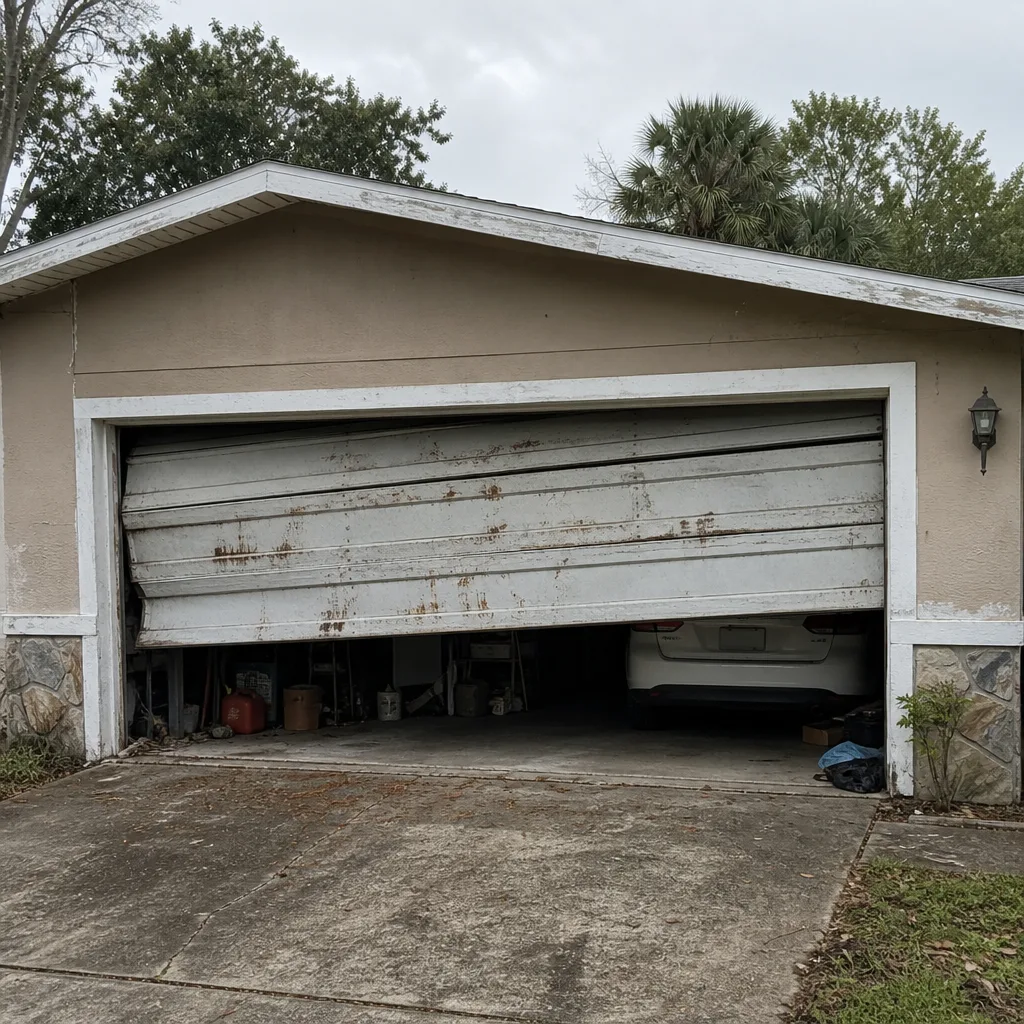 Before
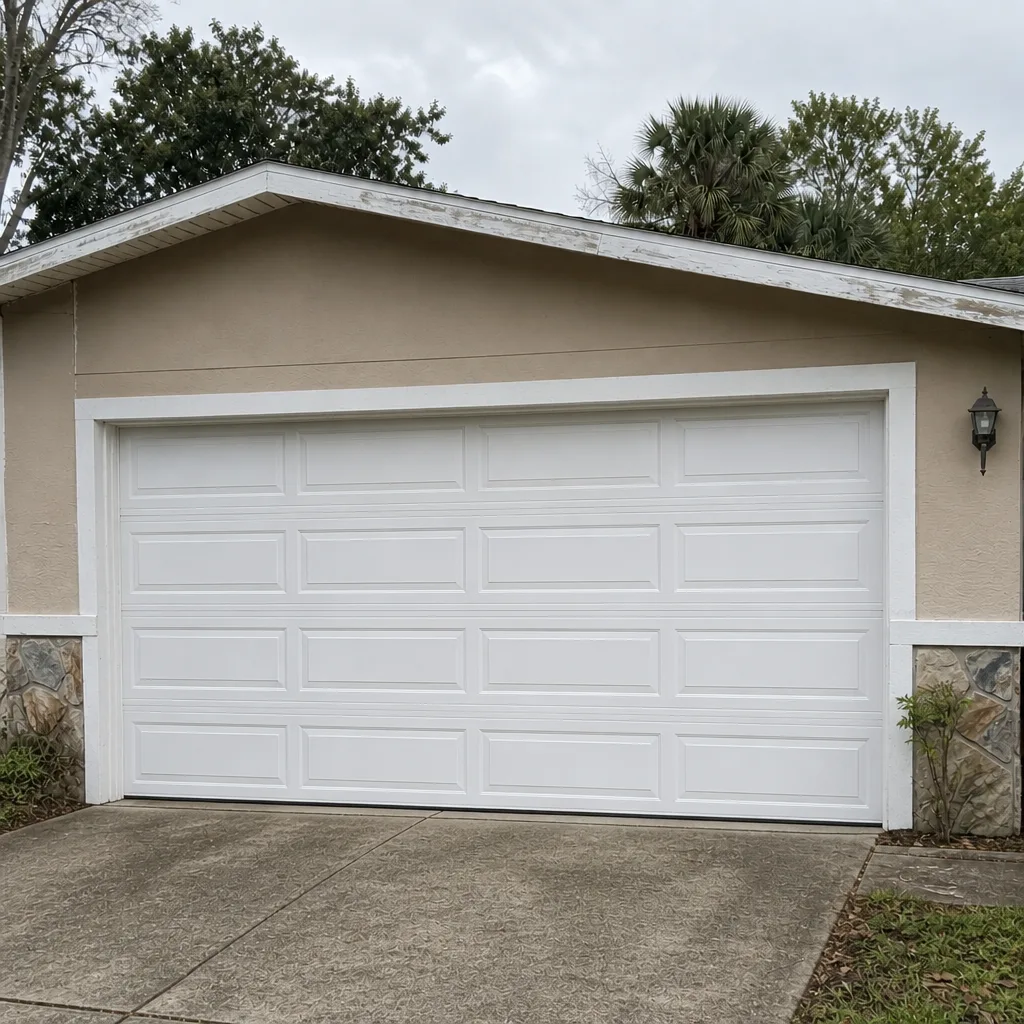 After
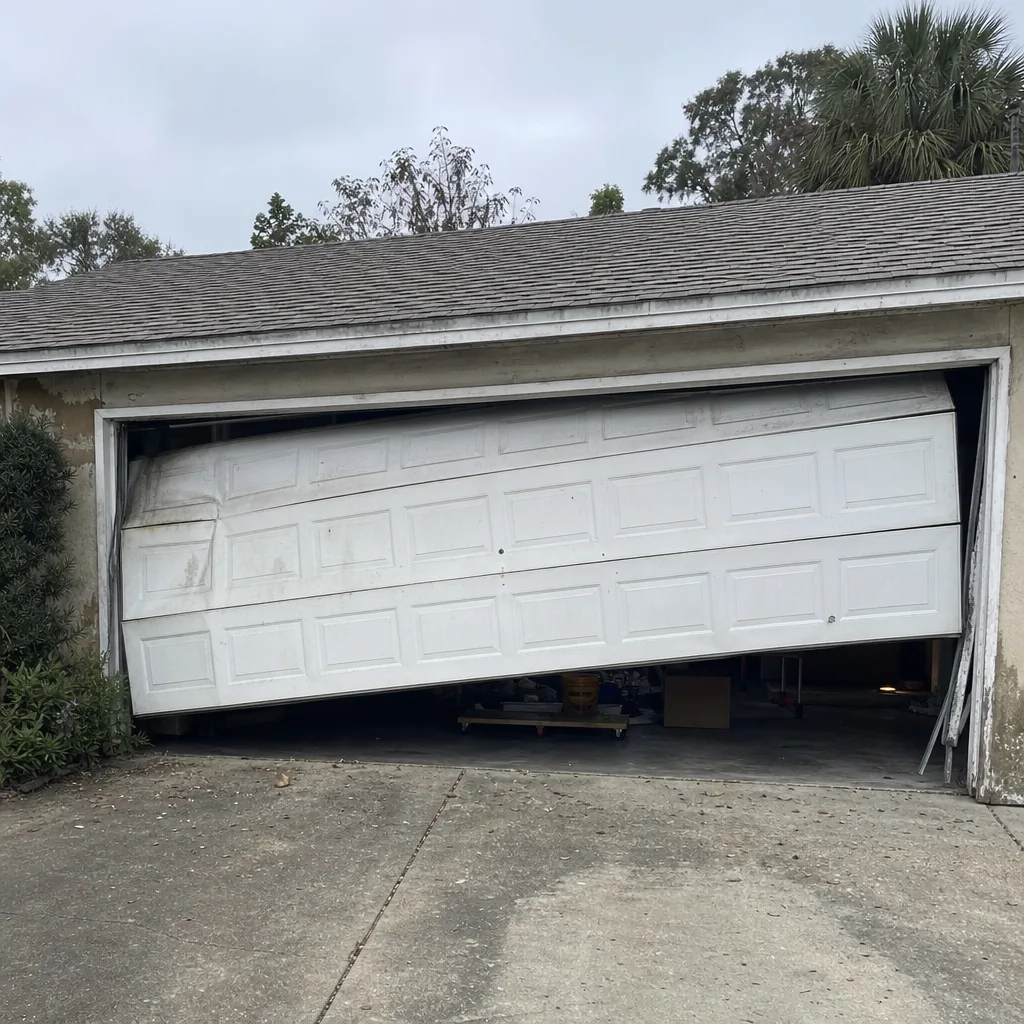 Before
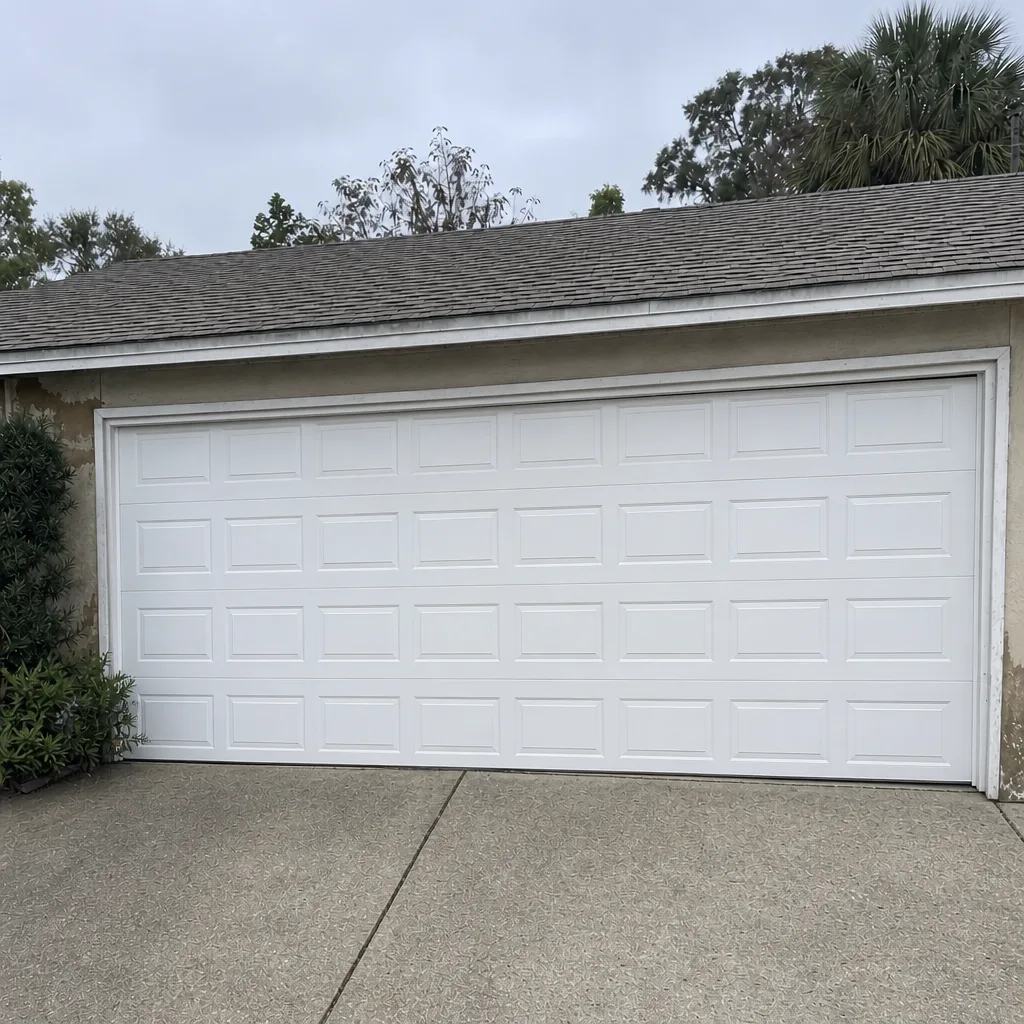 After
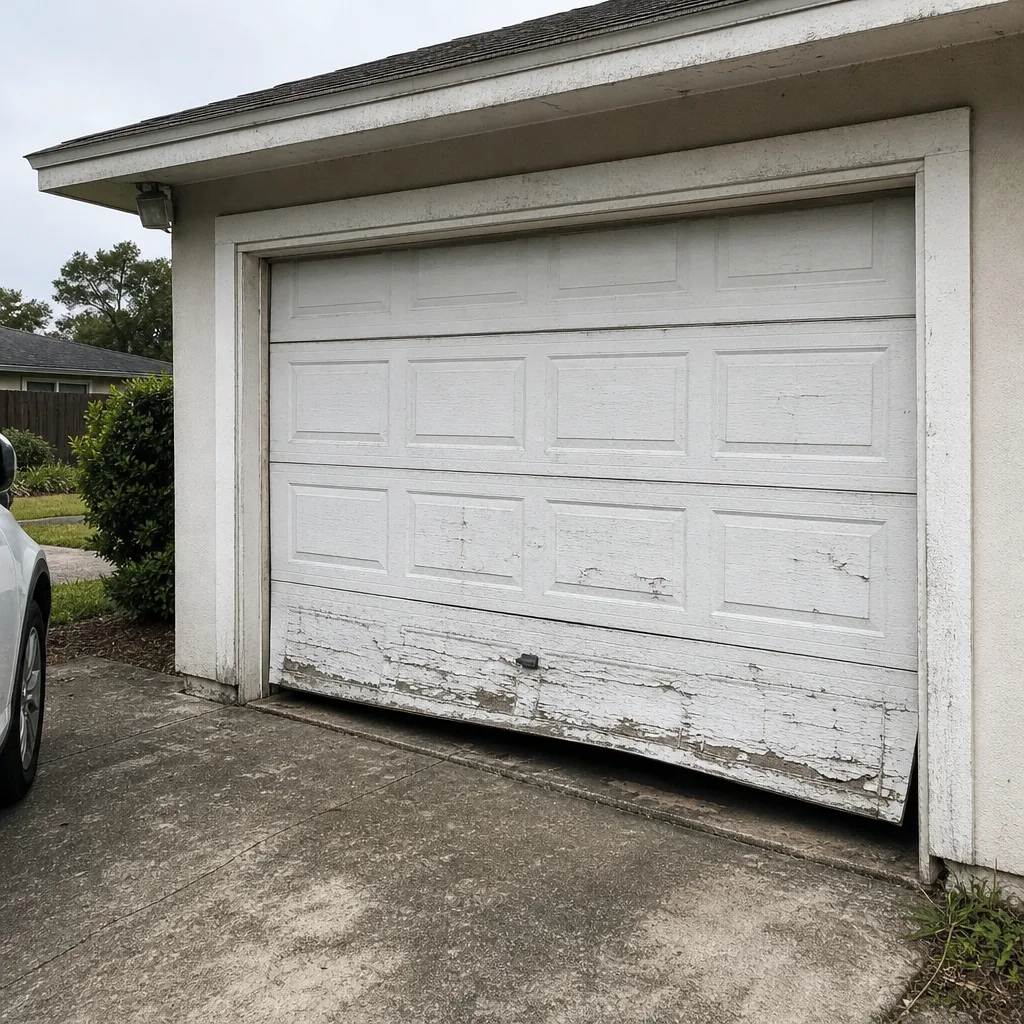 Before
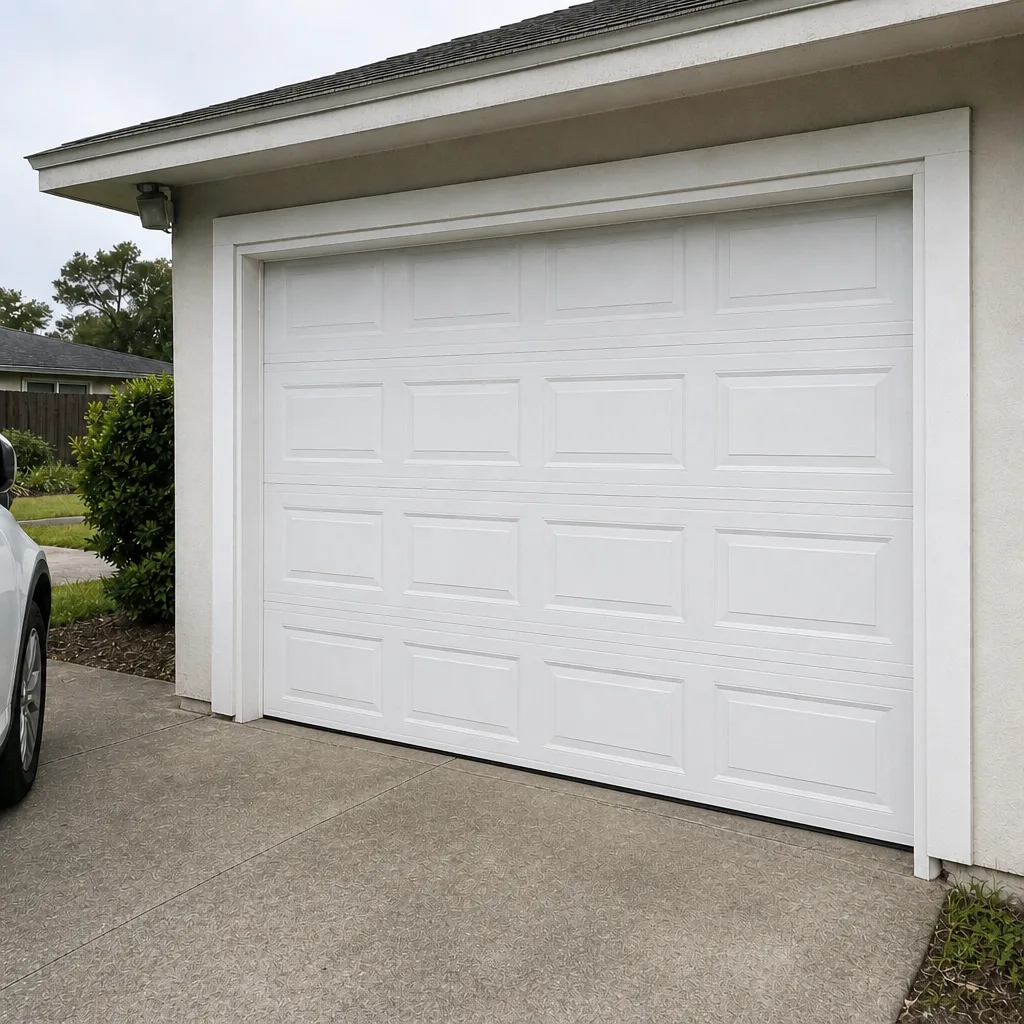 After
When to Call a Professional
Call a professional when your door is going to be replaced or installed, when the permit question can’t be answered from the paperwork you have, or when the inspection process flags something mechanical. Call sooner if a spring has snapped, a cable is slack or frayed, the opener runs but the door doesn’t move, or the door won’t close and you can’t see why. High-tension springs and cables are the most dangerous component in the assembly, and they’re never a homeowner job. Our team handles everything from spring and cable repair to replacement of doors and openers from brands like Craftsman, Raynor, and LiftMaster, and we’ll tell you plainly whether your project needs a permit before anyone picks up a tool. Port Orange Garage Door Repair Pros offers free estimates in Port Orange, and a written price is agreed before any work starts.
Call (877) 735-4535. We answer 24/7. Fast dispatch from 7am to 7pm, Sunday through Friday.
Frequently Asked Questions
Yes. Replacing a garage door in Port Orange requires a building permit through the City of Port Orange Building Division because the door must meet Florida Building Code wind-load requirements. Repairs that restore an existing door, like spring, cable, or opener work, generally do not require a permit. If you’re unsure which side your project sits on, call the Building Division before work starts.
No. Spring replacement is a repair on an existing door and generally does not require a permit in Port Orange. It is still a safety-critical job, and high-tension springs should only be handled by a trained technician. Call (877) 735-4535 for a free estimate; we answer 24/7, with fast dispatch from 7am to 7pm, Sunday through Friday.
On a replacement or new installation, the installer should pull it. Whoever pulls the permit is the applicant of record and answers to the City for the installation, the submittals, and the inspections. A homeowner can pull a garage door permit in Port Orange, but doing so puts the correction of any inspection issues back on the homeowner. For repair work, no permit is needed.
The door must be rated to meet the design wind pressure determined for your structure under Florida Building Code Section 1609. There isn’t one universal number that fits every home; the requirement depends on the opening and the structure. The permit submittal is where the door’s rated label and installation details are checked against that requirement, so the rating gets confirmed before the door is ordered.
It can. Insurance expects the structure to meet the building code, and an unpermitted installation leaves no record that the door met the wind-load requirement or was correctly anchored. After a storm, the insurer may ask for documentation, and a permitted installation is a stronger position than an undocumented one. We can’t promise a particular claims outcome, but documented work is always the safer place to be.
It can surface during due diligence and hold up closing until it’s resolved. Buyers and their inspectors look at permit records for garage door replacements, and reconstructing an unpermitted install after the installer is gone is harder than doing it right the first time. Keep your final inspection record with your closing documents so the house and the paperwork stay together.
The Bottom Line
In Port Orange, the permit question comes down to three things: a replacement or new installation needs one, a repair generally doesn’t, and the door has to meet the Florida Building Code wind-load requirement for your opening either way. Keep the process in order (permit before order, inspection before the door is considered finished) and the paperwork becomes a one-line entry in your closing documents instead of a conversation years later. Repairs on existing doors are a different path: springs, cables, tracks, and openers are service calls, not permitted projects, and they get handled by Port Orange Garage Door Repair Pros without a permit file in sight. Know which side of the line your project is on before anyone picks up a tool.
Call (877) 735-4535 for a free estimate. We answer 24/7. Fast dispatch from 7am to 7pm, Sunday through Friday. The price is confirmed in writing and agreed before any work starts.
Written by the team at Port Orange Garage Door Repair Pros.